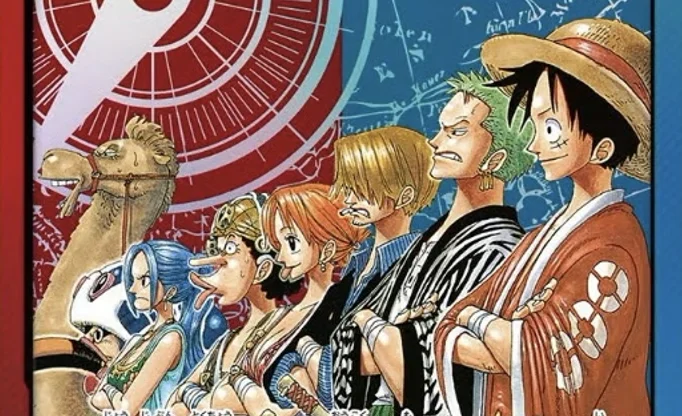
Heya everyone! The June 6, OP11 release for the West is fast approaching, and new leaders and cards are coming to the game! This also means that the Sealed Pre-release event is something to look forward to!
The Release Events will take place between May 30 to June 5, 2025. The format is the organizer’s choice. It can be the traditional constructed format or a sealed format. The latter is what matters to us for this article.
The Rules
- Players open a set number of booster packs from specified sets and build their decks using only the cards they open. (Players who purchase 1 booster box during the event period will receive 1 additional Release Event Pack.)
- Unlike the standard play, you can ignore the normal deck-building color restrictions based on your leader and can include cards of any color in your deck. There are additional special rules for deck building.
- 6 Packs is the suggested number of packs. Each participant should use the same number of packs.
- You may bring your leader (including those from previous sets) to use in the event.
- Bring 10x DON!! cards.
Deck Construction Rules
After opening 6 packs, players build a 40-card deck, and a 10 DON!! card deck. There are no banned or restricted cards, and players can include as many copies of cards with the same card number as they like. (There is no 4-card limit and 5 or more copies of a card with the same card number can be included in decks.) Any cards left over from deck construction are treated as sideboard cards.
Suggested Match Format
Use a Swiss draw format to match players with the closest win rates.
Sideboard
Cards not used in decks are treated as sideboard cards. In between games, players can exchange cards in their deck with cards in their sideboard. Players can exchange as many cards between deck and sideboard as they like, so long as they have a legal number of cards in their deck.
Special Game Rules
In sealed format games, players can ignore deck color requirements based on their leader. For example: If you are playing with the Red starter deck as your leader, you would be restricted to only having red cards in your deck. However, in sealed, you can use cards of any color in your deck, even though your leader is only Red.
All other card restrictions still apply as normal, including effects listed on leaders that specify names or colors.
Example 1: With your leader as Blue Donquixote Doflamingo, you may search for [The Seven Warlords of the Sea] type of Character cards when triggering his ability.
Example 2: When using the ability of OP01 7-cost Crocodile “Blue Event cards in your hand cost 1 less to play” would only apply to Blue Event cards – This would not apply to Event cards of other colors.
Prizes
Participation
P-081 Dracule Mihawk

Leader Card

OP-11 Pre-Release Pack

- 2 cards per pack
- 75 types in total
- *Release Gold Stamped cards are from A FIST OF DIVINE SPEED [OP-11] Common and Uncommon cards.
Winner
P-081 Dracule Mihawk (Silver Foil + Gold Stamp)

Players Application Period
May 16, 2025 onwards Apply here!
Leaders
When selecting a Leader, it’s best to choose one that isn’t limited by specific deck-building requirements or card types. Ideally, your Leader should have abilities that remain useful no matter how your deck ends up. Since players can bring their own Leader to the event, you’re not restricted by the randomness of OP11 packs. That said, some stores may require everyone to use the Rainbow Luffy Leader, so be sure to check with the organizer in advance.

Sanji’s effect works only on 8-cost or lower Characters that don’t have an On Play ability, allowing you to give them the Rush keyword the turn they enter play. This creates immediate pressure by letting your Characters attack right away, forcing opponents to use up their Counter cards. Since Vanilla Characters are especially strong in prerelease events, and you’ll likely include as many as possible, Sanji’s effect adds even more value to them, turning your Vanillas into serious threats.
I believe Sanji will be one of the strongest leaders in this format, especially since we have multiple +2,000 Counter Characters with high stats to include in the deck.

Jewelry Bonney is a defensive Leader designed to slow down your opponent’s aggression, and she saw success during previous prereleases. Her ability to rest an opposing attacker makes her great for stalling the game, though it requires you to keep 1 DON!! available during your opponent’s turn. However, unlike in OP07, Bonney no longer has access to the same support cards, so her performance will likely be weaker this time around.
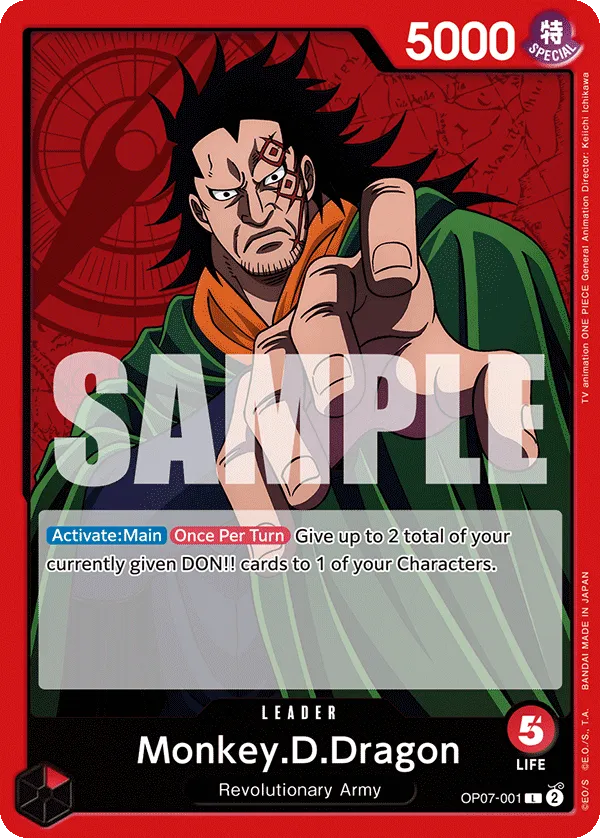
Monkey D. Dragon has a solid standalone effect, allowing you to reassign attached DON!! to another Character. This gives you flexibility and helps maximize your offensive potential by enabling more aggressive plays.
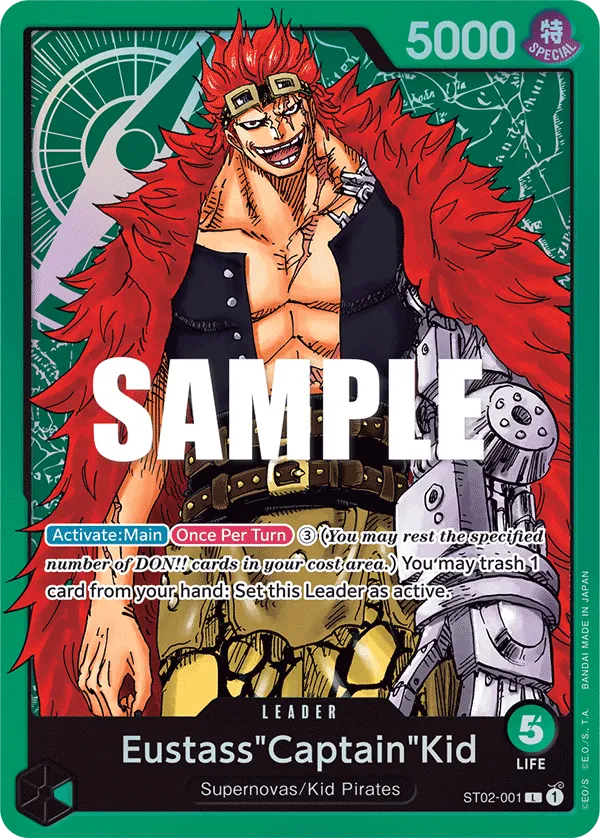
Another strong Leader in this format is Eustass “Captain” Kid, known for his ability to attack multiple times. His effect requires 3 DON!! to activate, making it more suited for the late game. When timed well, it allows you to pick off rested Characters, pressure your opponent’s hand by forcing Counter cards, or shift into an aggressive strategy by attacking the opposing Leader directly.

Charlotte Katakuri’s +1000 Power when you attach a Don on him is crazy good for powerful attacks that could force 2 Counter cards from opponent. Getting to look at the top Life Card gives you crucial information. Usually, we’re more used to looking at our own Life Cards to find a Trigger card. However, we might not have access to many Trigger cards in this format, so we might opt to look at the opponent’s Life Cards and put it at the bottom if it’s of any use to them in their upcoming turn.
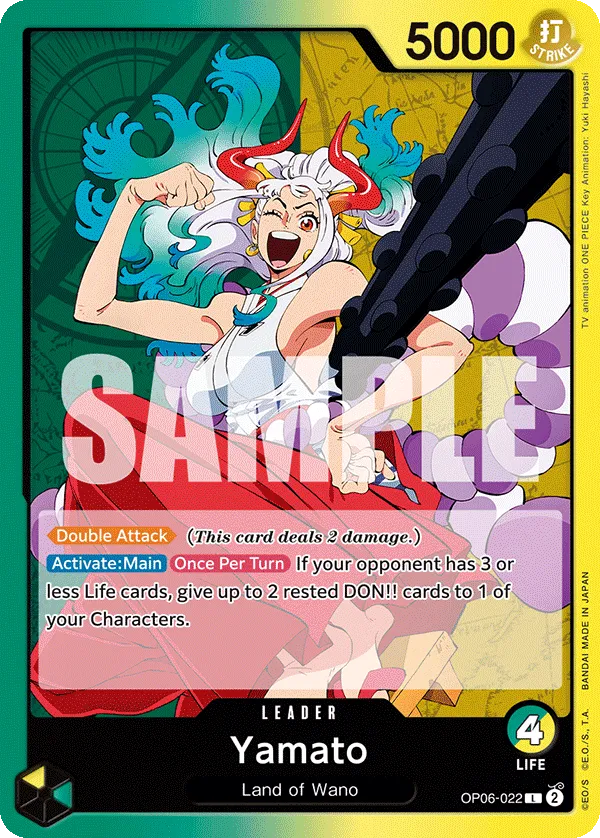
Yamato is one of the best Leaders for applying pressure with Double Attack, enabling aggressive plays regardless of your deck composition. In many cases, Yamato can carry the game on her own. However, Blockers can disrupt your strategy by shutting down your Double Attacks, especially if you don’t have removal options. It’s also worth noting that facing 5-life Leaders can be challenging, as many players will likely favor them for their durability.
Yamato also gives 2 Rested Don to one of your characters, maximizing the aggressiveness of the Leader.
Other Leaders

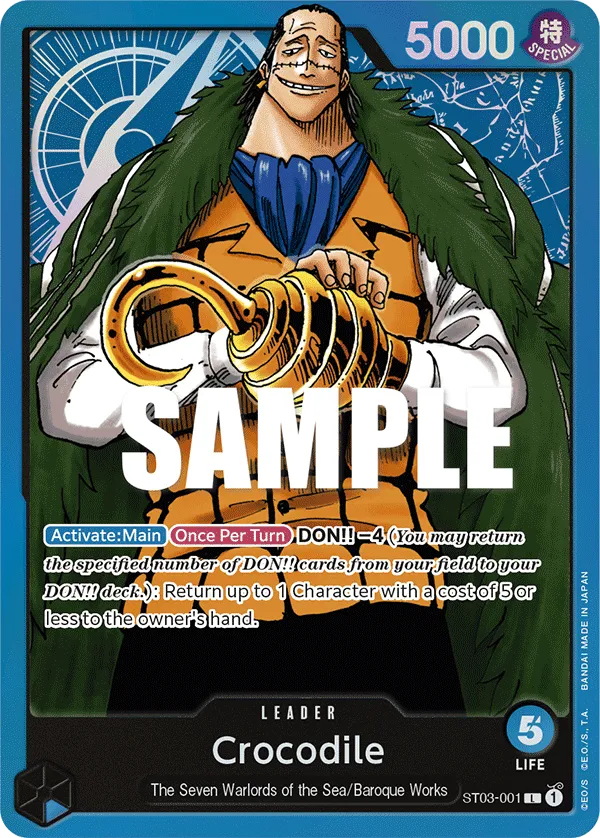

These are all strong Leaders with powerful effects that aren’t locked into a specific deck build.
Rainbow Luffy can be a powerful Leader in this format, especially when paired with Characters like Borsalino, Doll, or Megalo, who can still activate their effects even if they’re designed for a specific Leader type. You gain access to effects normally restricted to specific Leaders or card types, allowing you to make use of powerful abilities that would otherwise be unavailable.
OP11 Leaders
OP11 Leaders Koby, Luffy, Katakuri, Shirahoshi, and Jinbe are locked to specific archetypes, so they’re not really great choices to bring to this sealed format. If you’re abundant in bringing an OP11 Leader, then Blue Yellow Nami is your best choice.

Blue Yellow Nami is a value-oriented Leader who lets you draw a card whenever you or your opponent lose a Life card. The effect only triggers if you have 7 or less cards in hand, but it provides strong draw power to put you ahead in resources.
During your opponent’s turn, you can trash a card from your hand to give Nami a +2,000 Power boost until the end of the turn. This temporarily makes her a 7,000 Power Leader, making it much harder for your opponent’s attacks to land.
General Tips
- Protecting your rested Characters can go a long way in this format. Removal options are usually limited, so opponents will rely on sheer attacks to win the field.
- Since removal options are limited, Blockers are extremely valuable in this format, taking a hit for you to protect your Life cards or a key rested Character.
- +2,000 Counter Characters are generally good to have in your deck, making it easier to protect yourself from attackers.
- OP11 set has tons of +2,000 Counter Characters, unlike previous sets. This means we’ll generally value attacking with 5,000 or 7,000 Power attacks to play around the 2ks.
- Vanilla high-stat characters are usually not played in the majority of OPTCG decks. However, for this format, big bodies are good. We want to add as many to our deck as possible.
Vanillas
Standard Vanilla
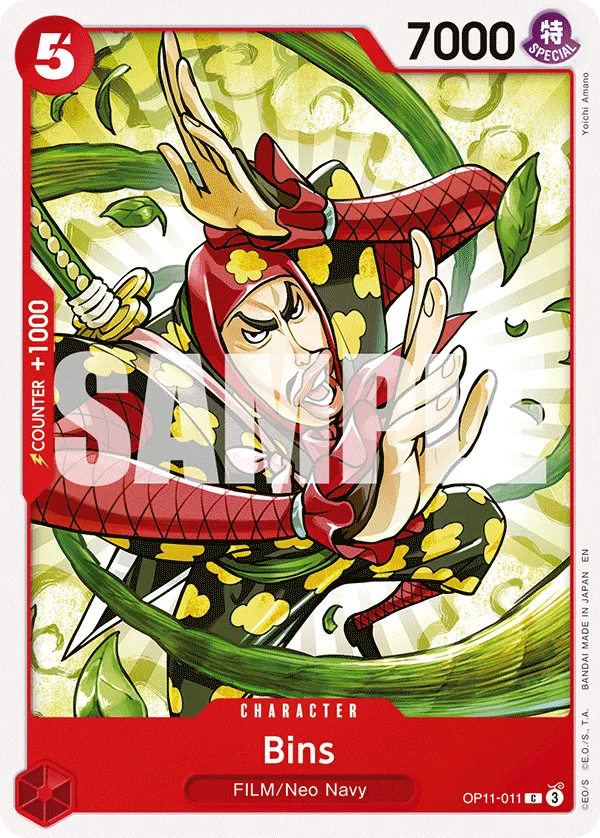
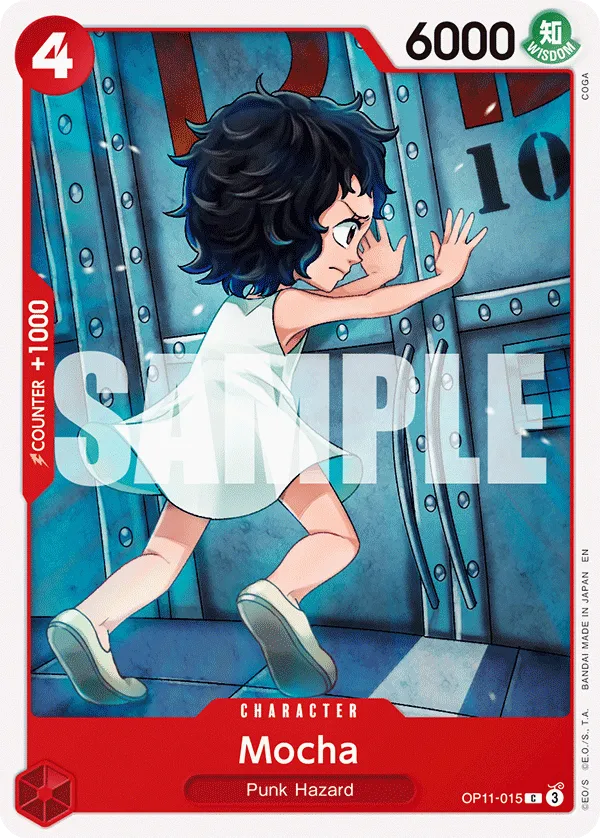
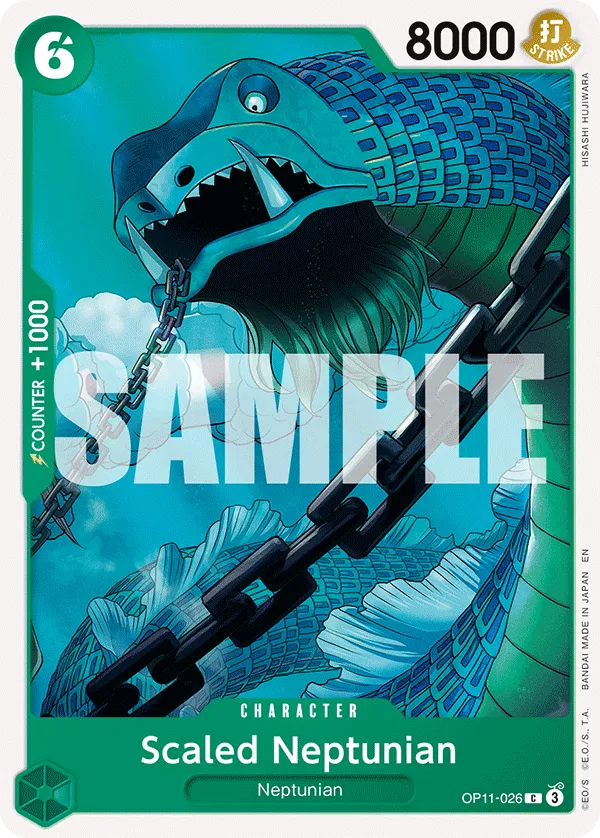
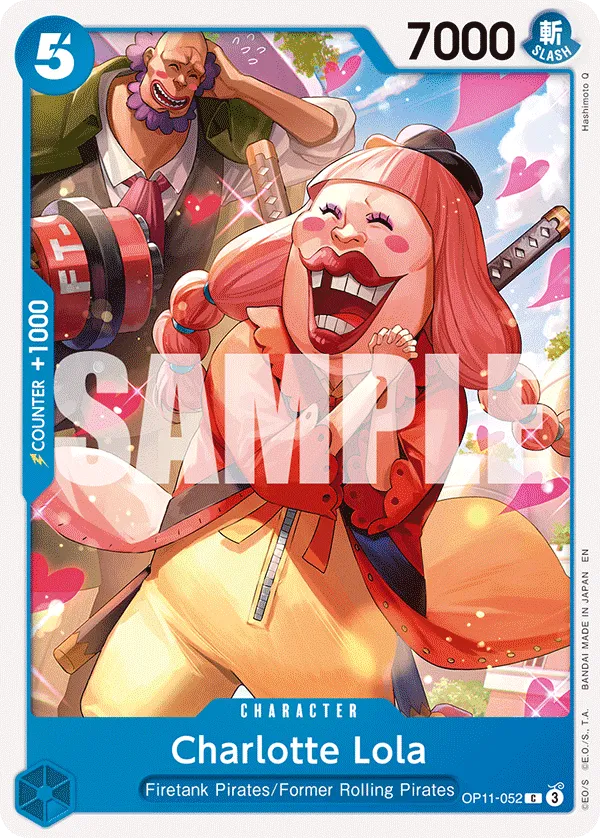
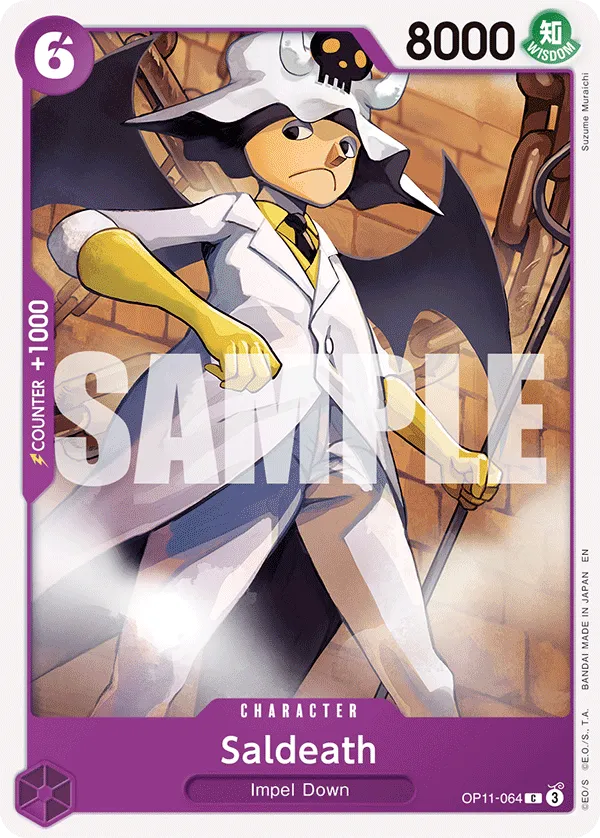
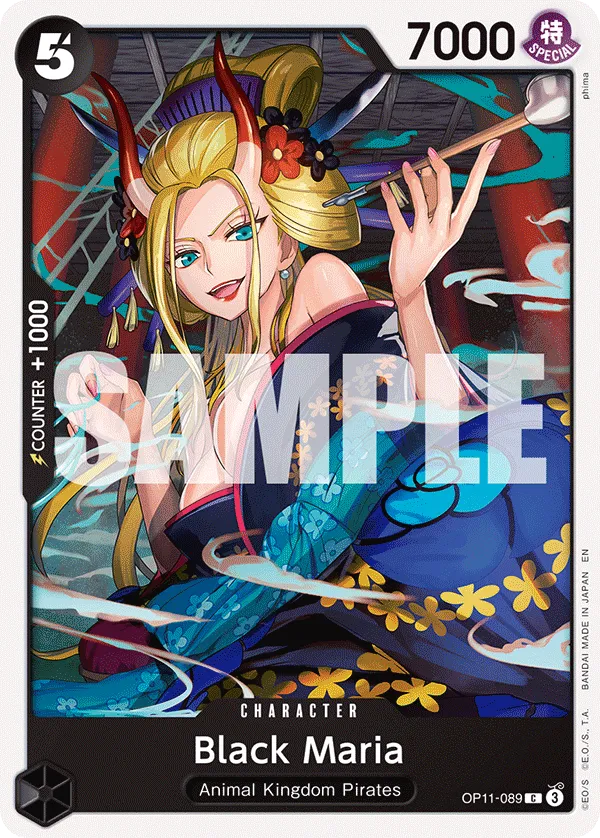
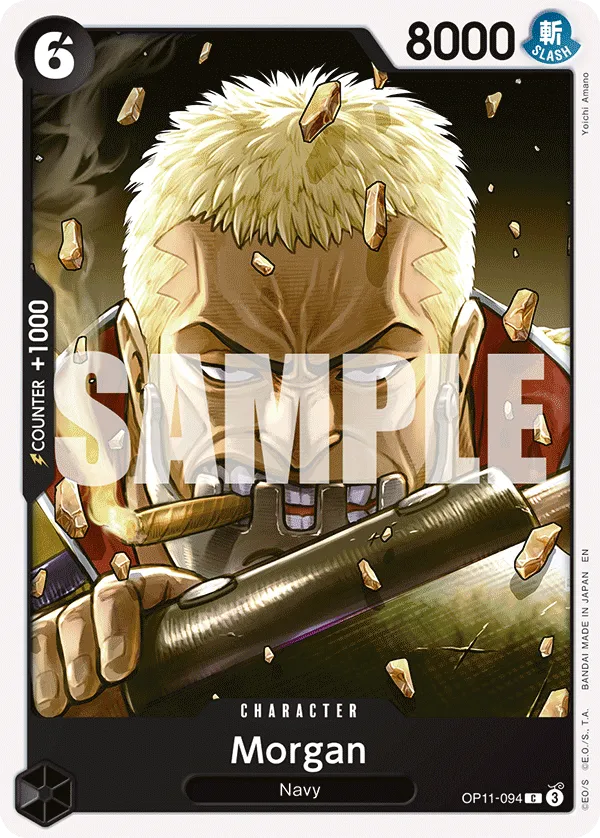
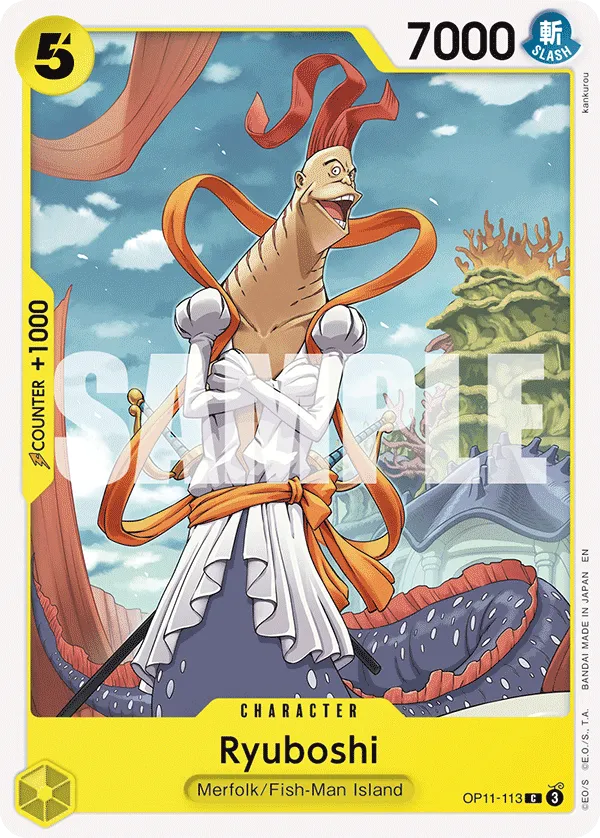
Vanilla cards are excellent in this format; they don’t rely on specific synergies and offer high power for their cost, making them strong, straightforward threats. Since they’re all commons, you’ll have no trouble finding plenty to include in your deck.
This time around, there are fewer standard Vanilla cards than usual, mainly because we have access to many +2,000 Counter Vanillas.
+2,000 Vanillas
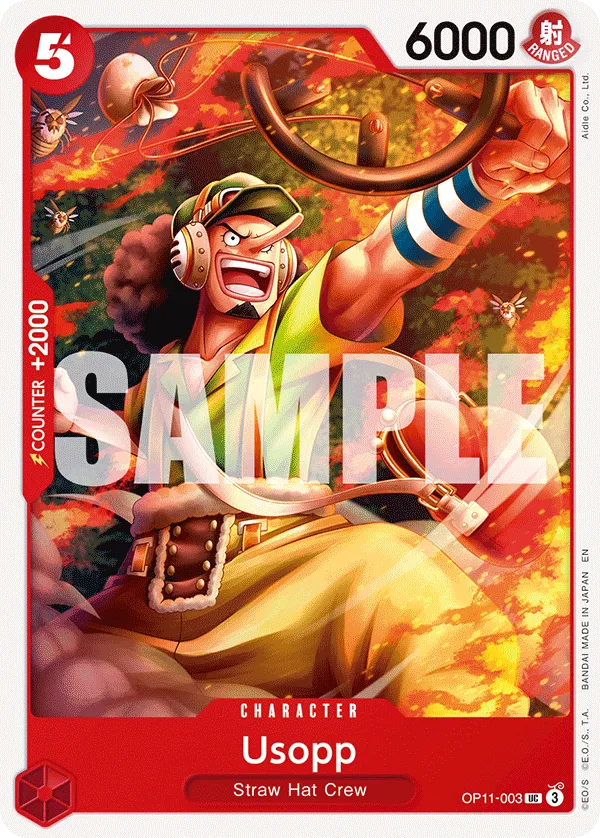

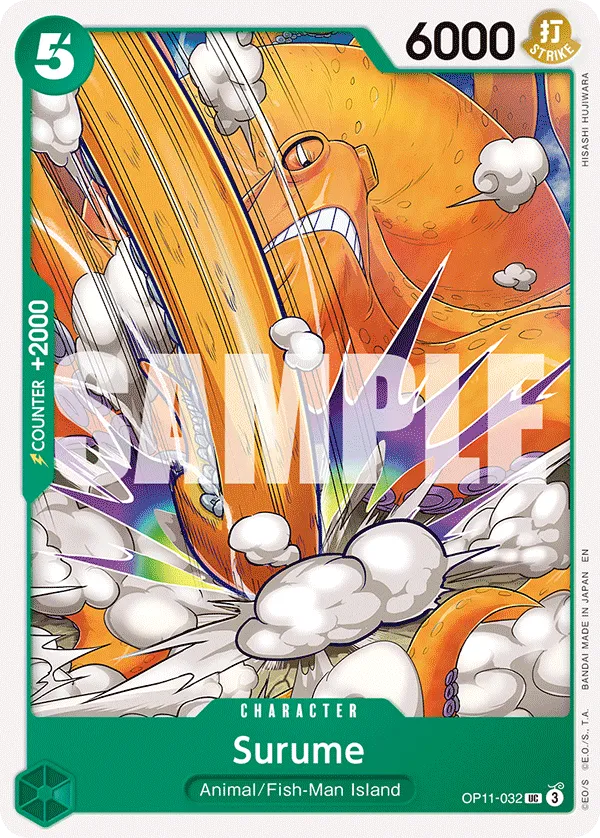

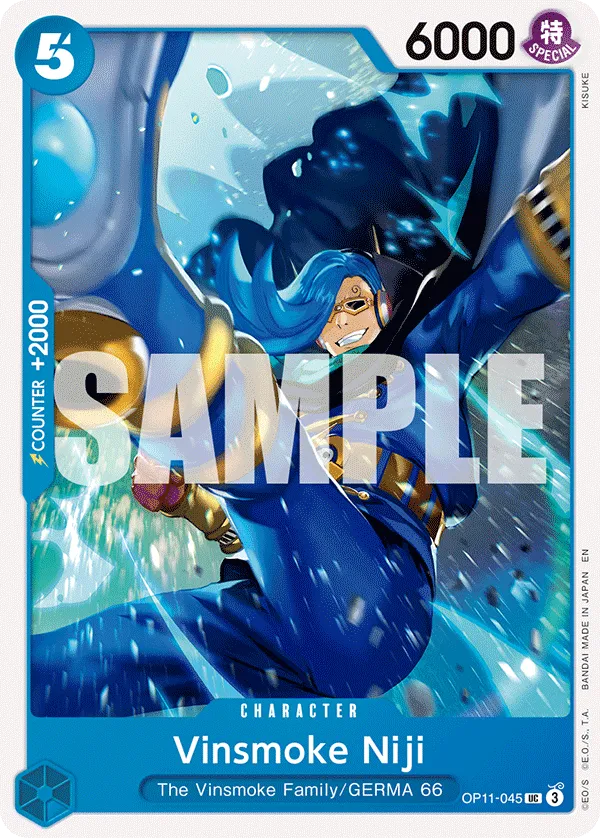

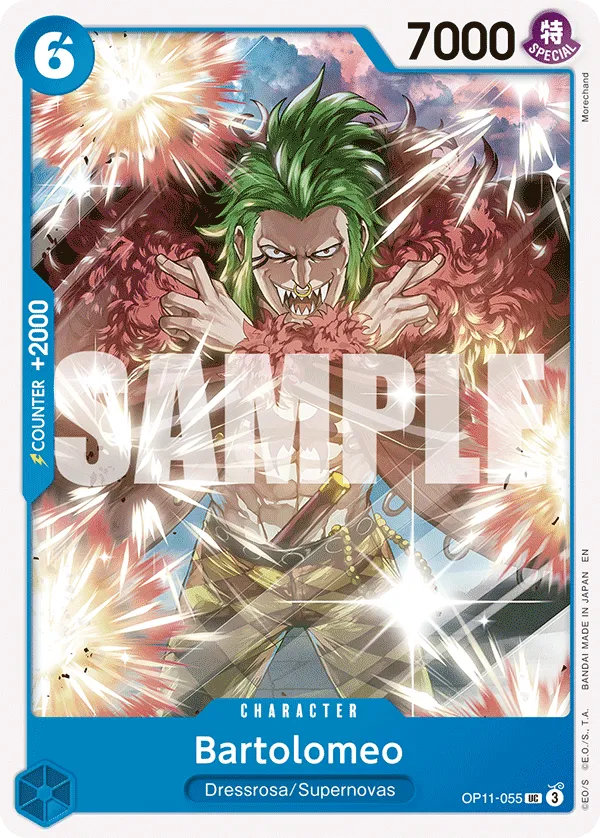
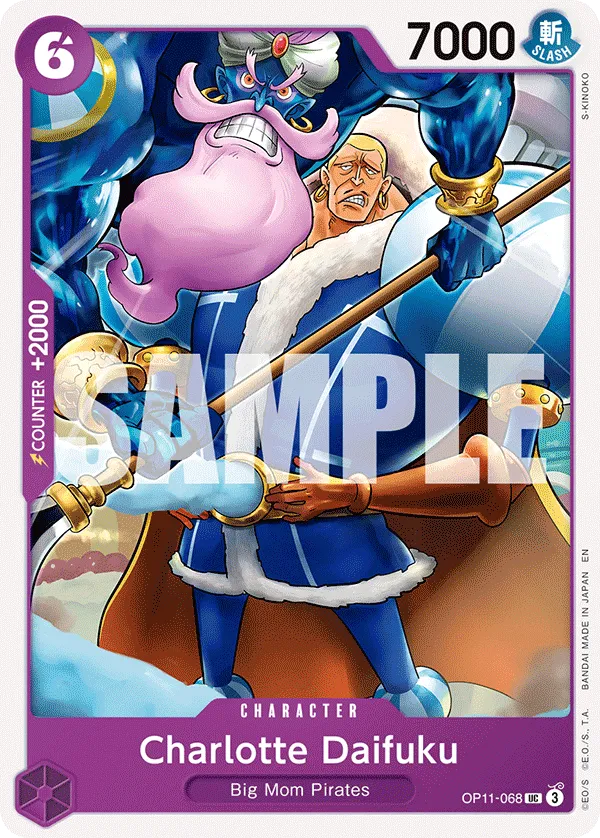
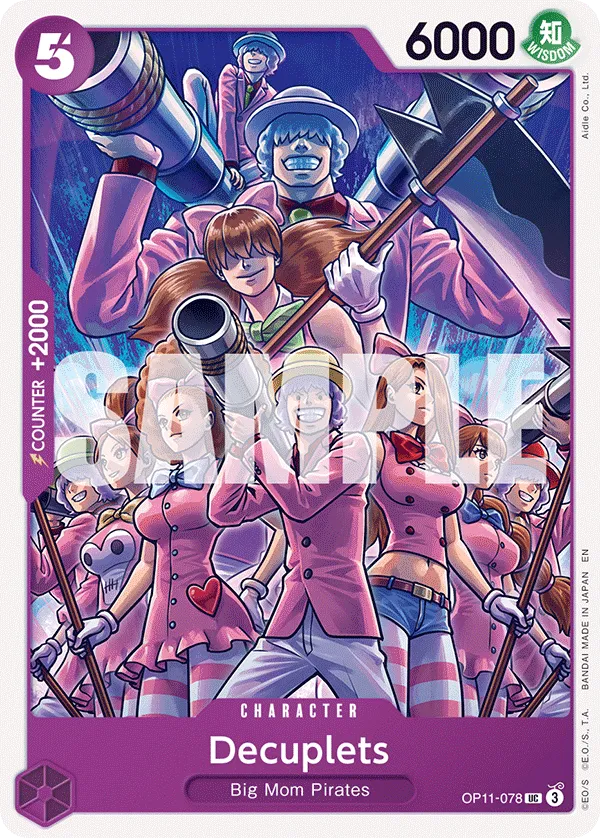
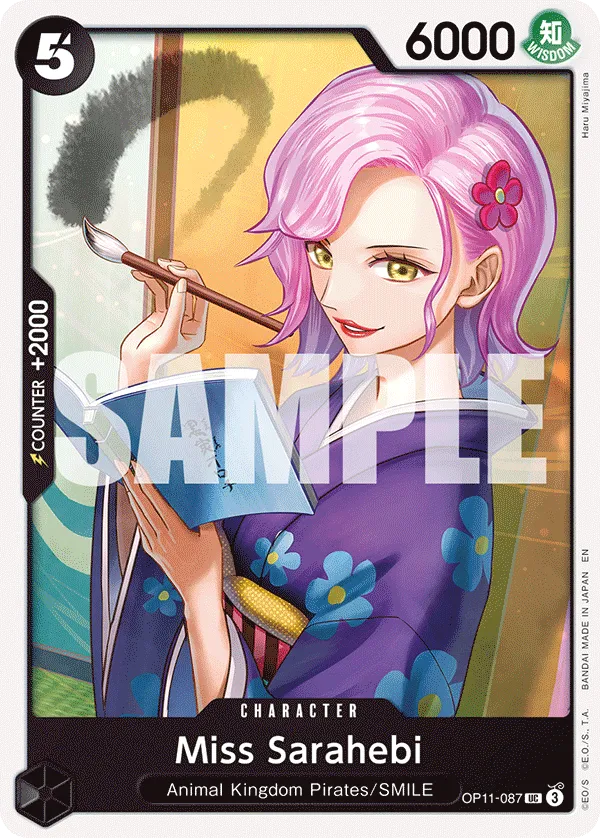

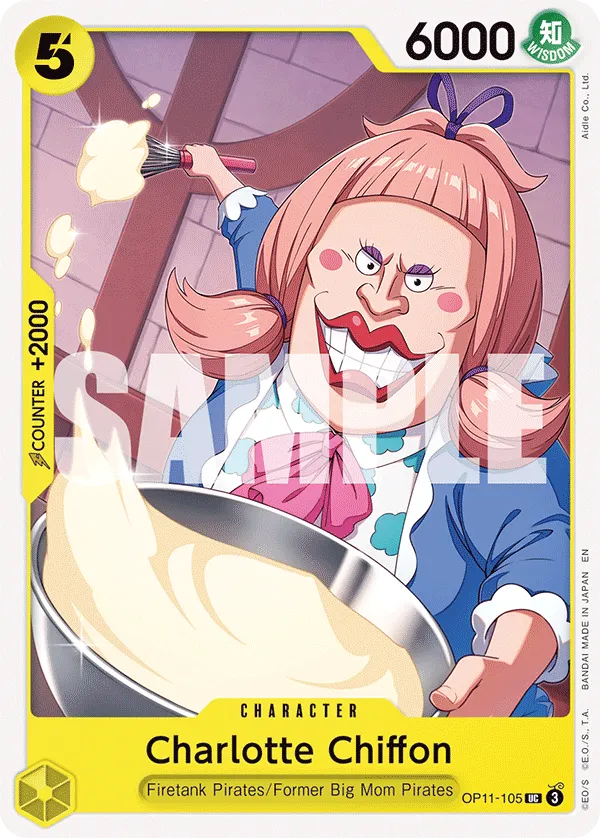
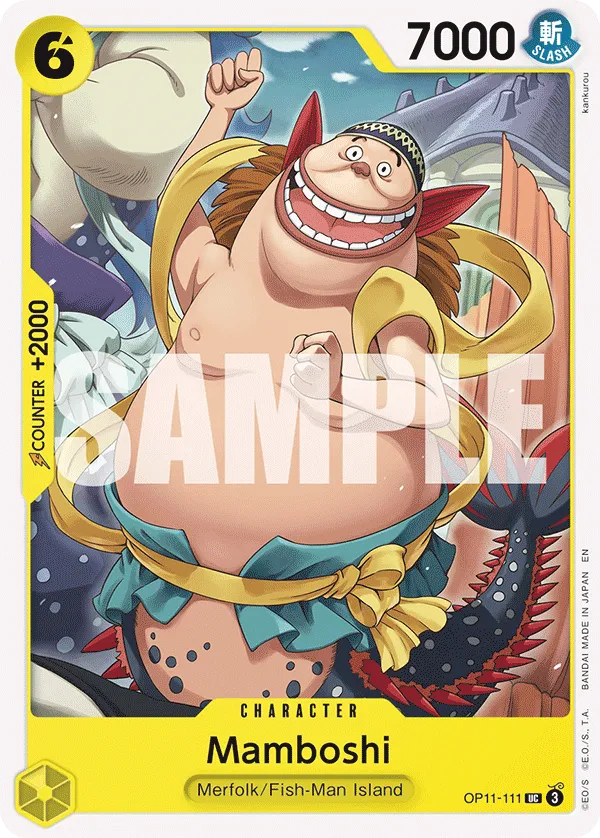
These are Vanilla Characters with a +2,000 Counter, making them excellent additions to your deck, whether you use them defensively for their Counter effect or play them to build board presence. Compared to standard Vanillas, they trade 1,000 Power for the added Counter value. While that makes them weaker on the field, their higher Counter makes them much more effective at protecting you from attacks. These are all uncommon, so you have good odds of hitting these!
You’ll generally prefer these +2,000 Counter Characters over most effect-based ones, as they offer better overall value, both as defensive options and as solid plays when you need to put them on the field. I’ll feature the other +2,000 Counters later in this guide, and we’ll talk more about them!
Vanilla Stats With Effect
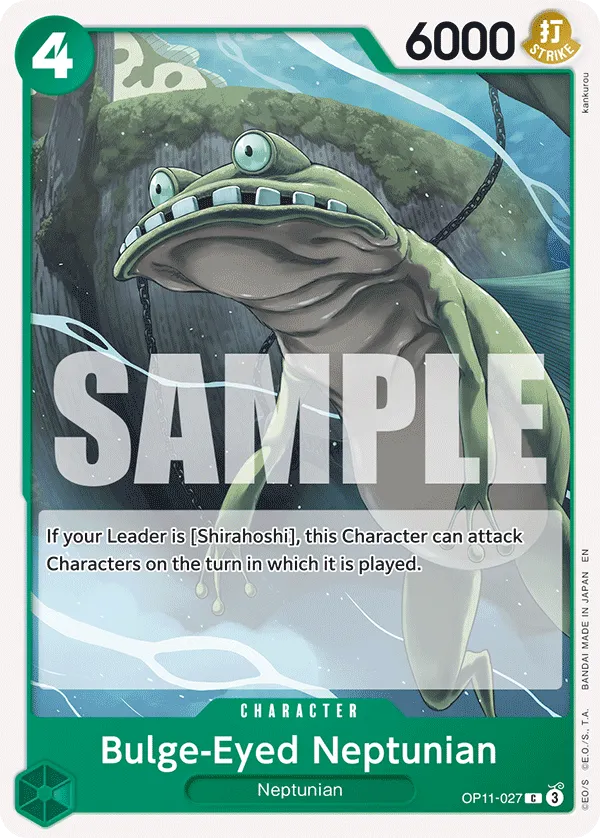
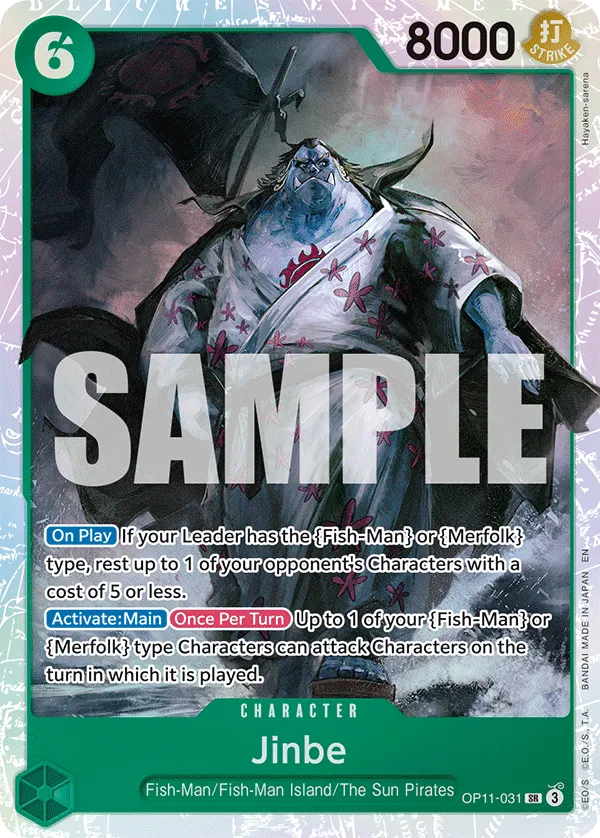
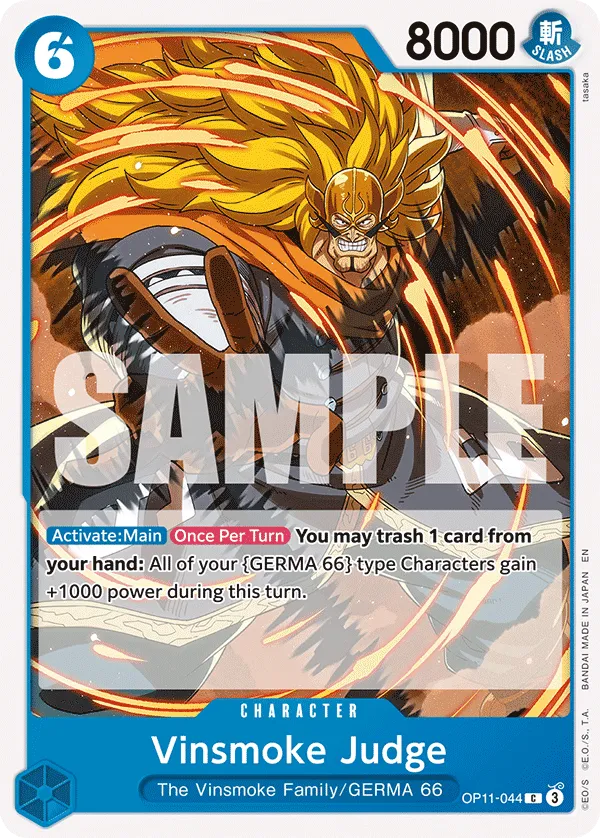

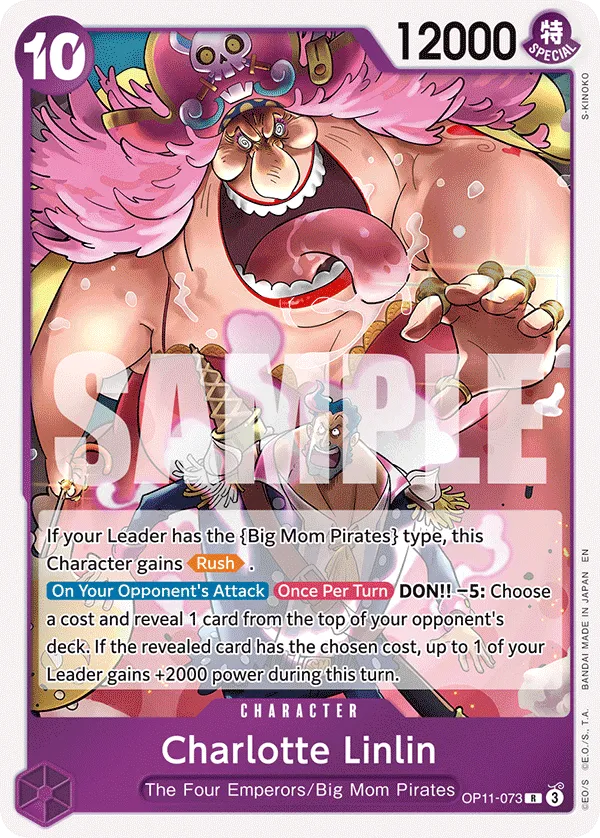
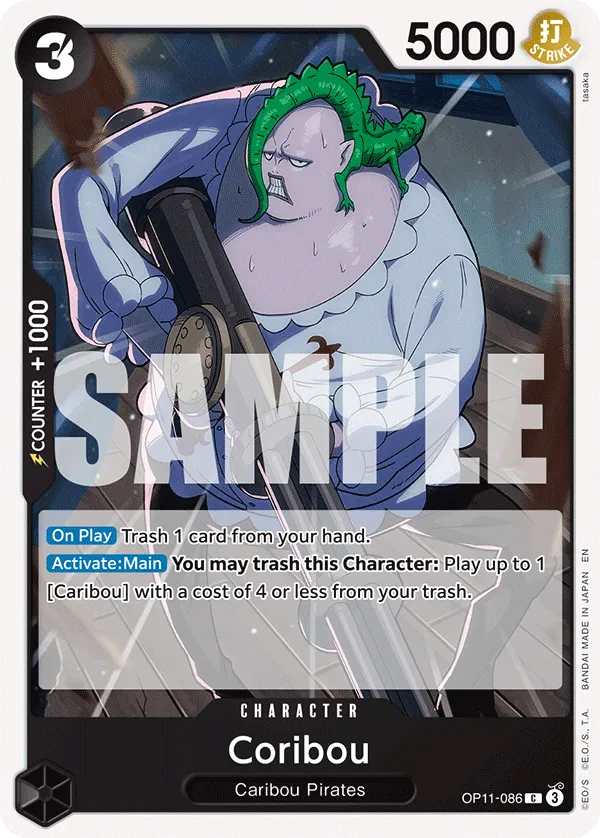
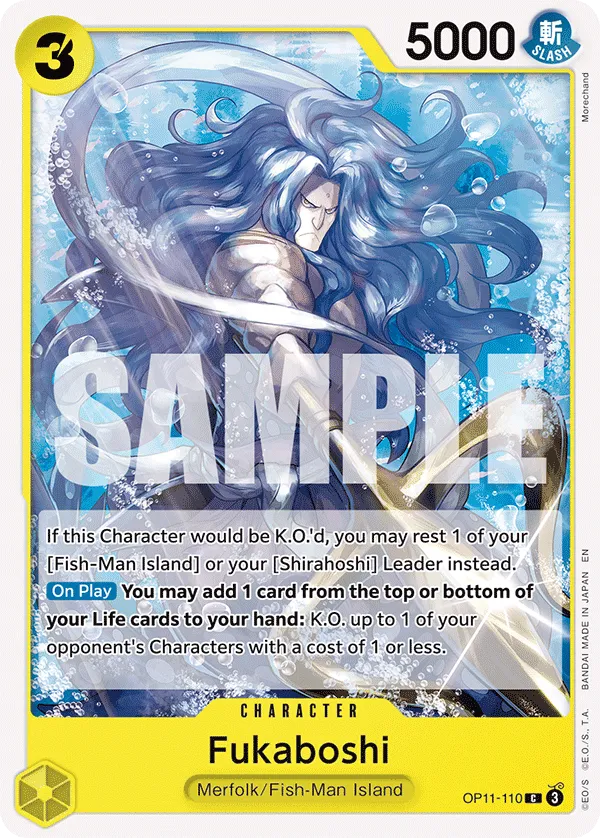
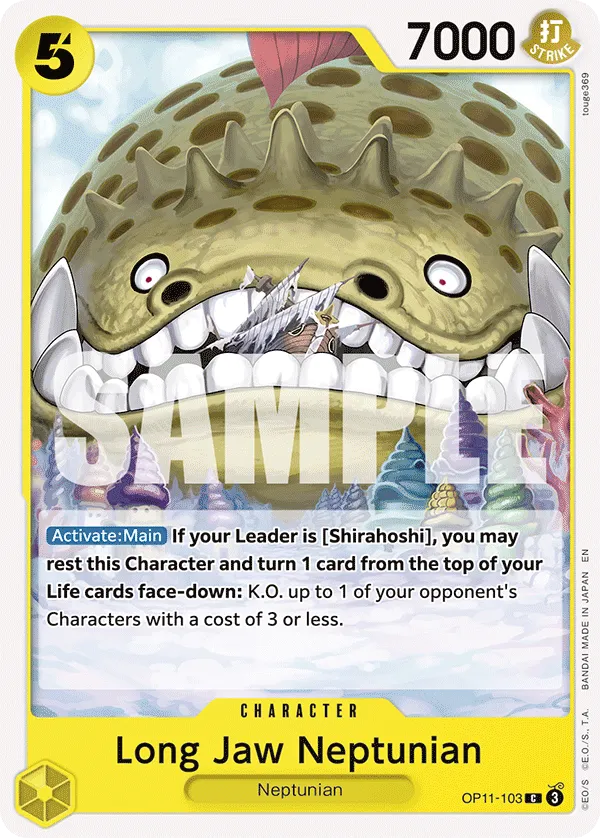
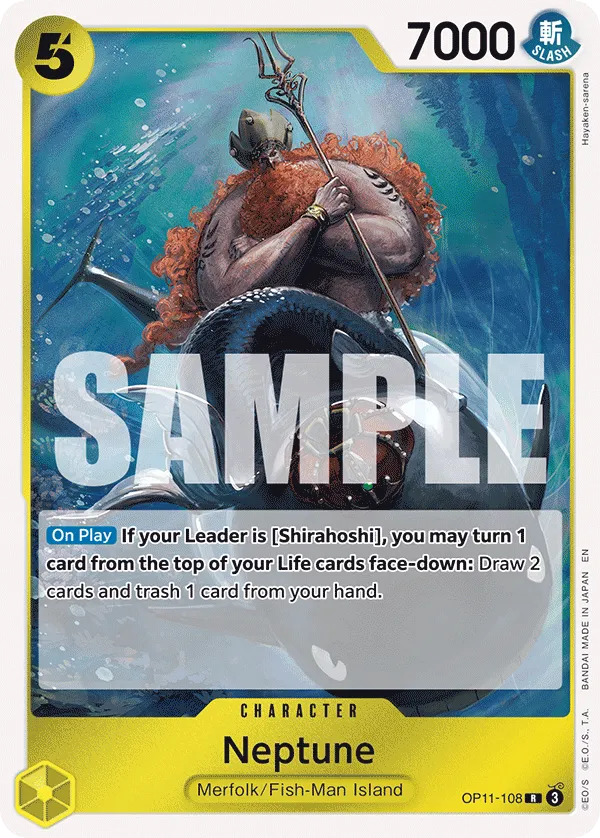
These are Characters with an effect but the standard Vanilla statline. Naturally, there’s a trade-off—while they offer both solid stats and an effect, they come with no Counter, making them dead cards in hand during your defensive turn. Still, they’re worth including for their strong on-field presence and useful abilities.
However, Caribou and Luffy are the exceptions! They have the standard Vanilla statline and come with a +1,000 Counter, making them strong additions to your deck. Luffy, in particular, stands out as a Blocker with 7,000 Power. The only restriction is that he can attack only if you have fewer than 5 cards in hand, but his overall value is still excellent. We don’t really want to add Caribou to the list since it forces us to trash a card, not really worth it.
Bulge-Eyed Neptunian (Gyoro-me) can attack your opponent’s Characters the turn it’s played if your Leader is Shirahoshi. So, when used with Rainbow Luffy, it effectively becomes a pseudo-Rush Character. Similarly, Jinbe works well in Rainbow Luffy. When played, he can rest a 5-cost or lower Character, letting you either KO it with an attack or temporarily shut down a Blocker, allowing you to attack the opponent’s Leader. His second effect can be used on himself, letting you attack rested Characters immediately.
Charlotte Linlin is a massive Rush attacker, and we love Rush attacks! However, your Leader has to be a {Big Mom Pirates} for her to gain Rush, so Rainbow Luffy or Purple Katakuri, for example, would work here.
Blockers
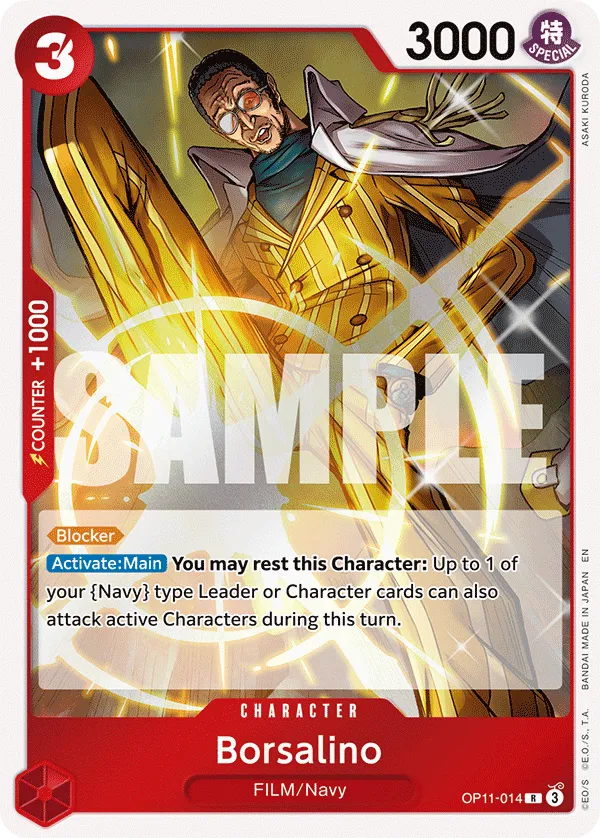
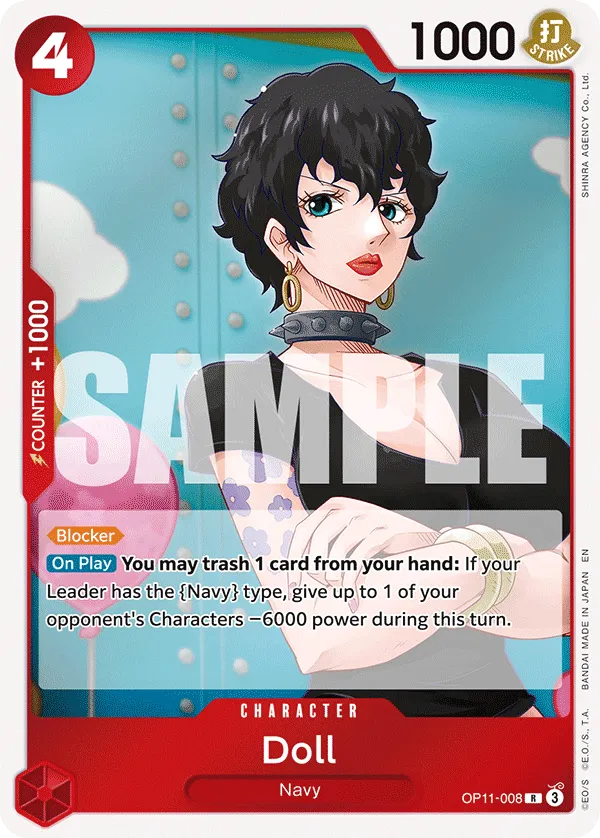

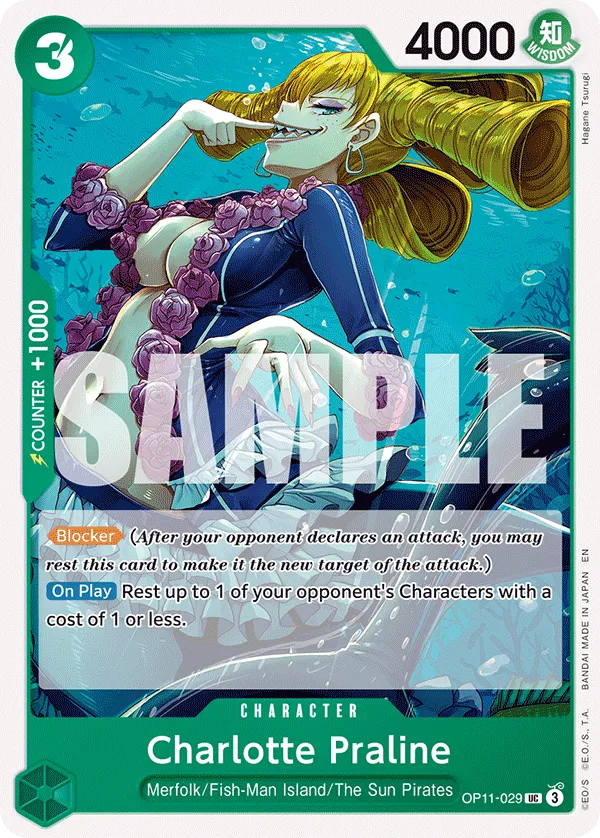
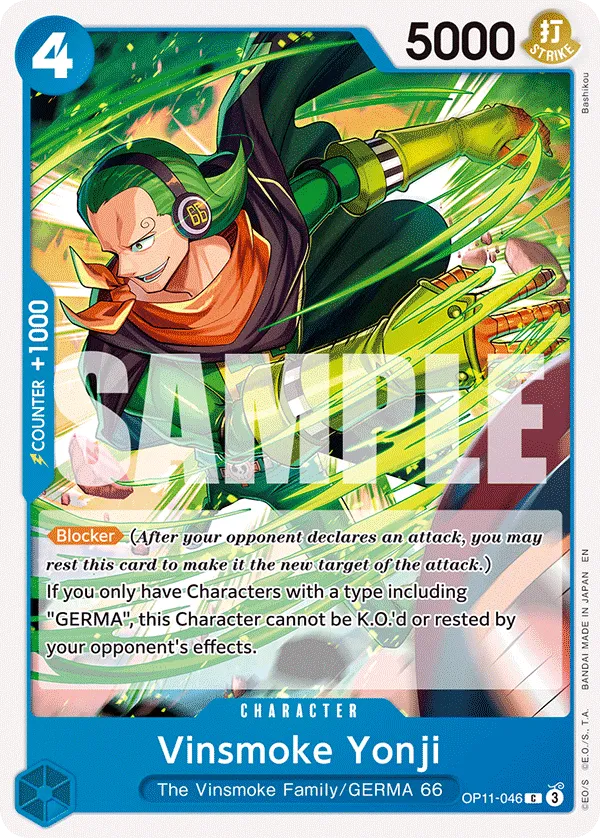


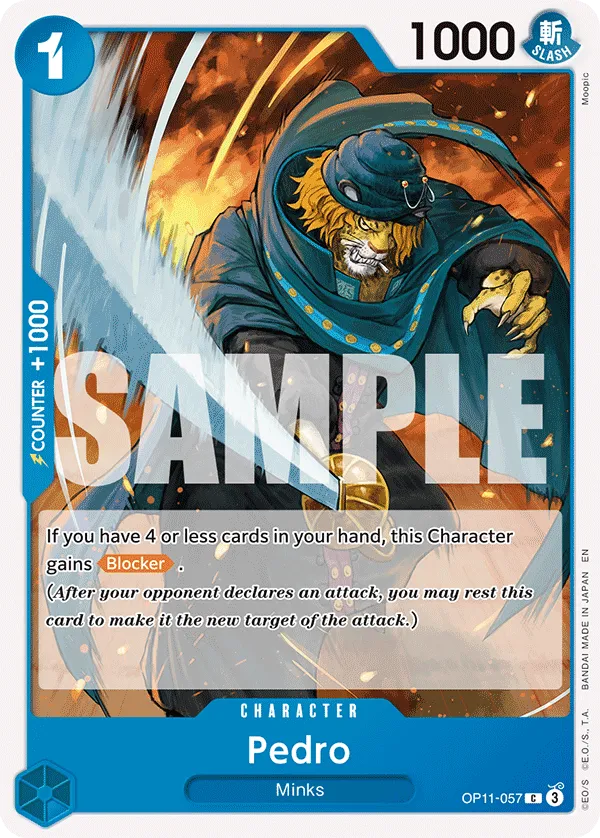

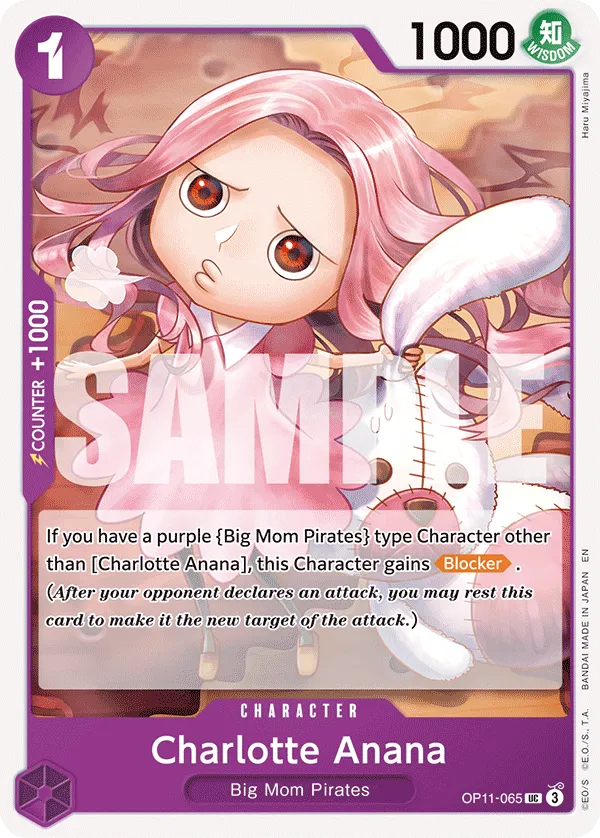
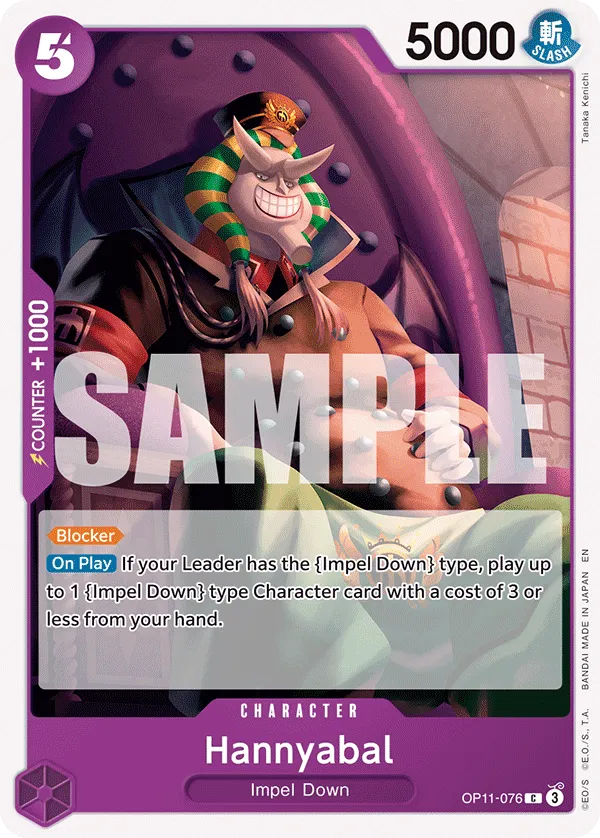
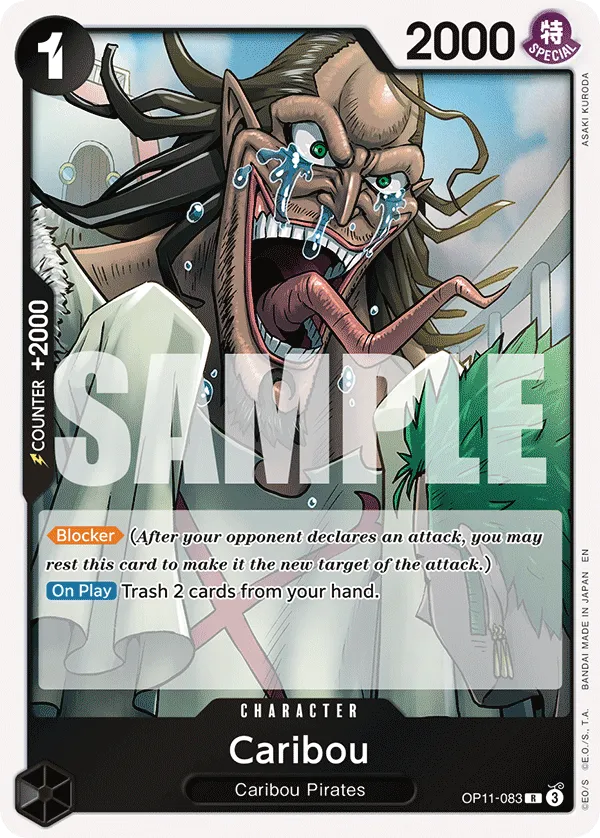
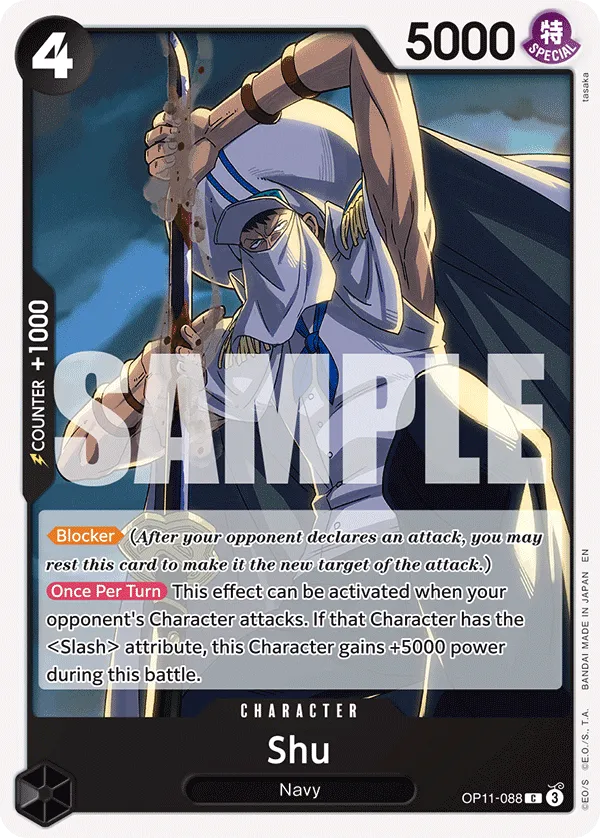
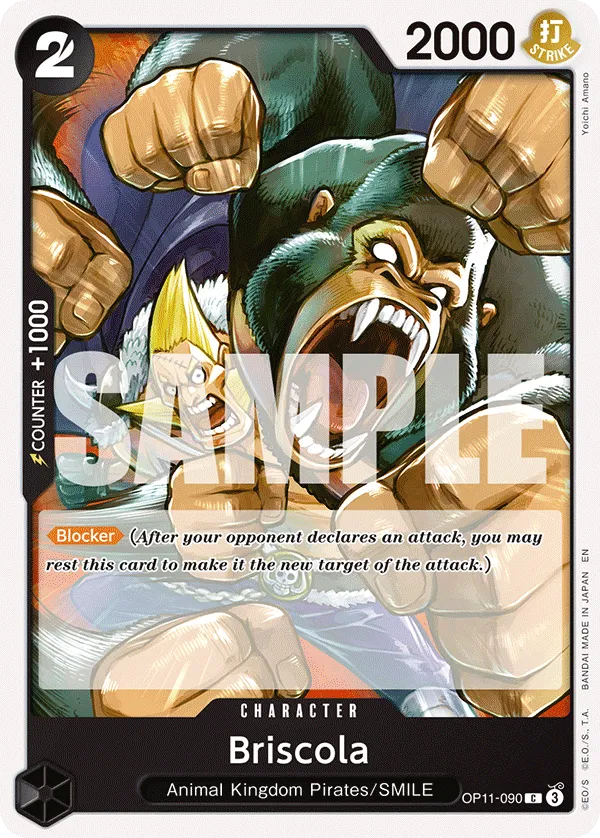
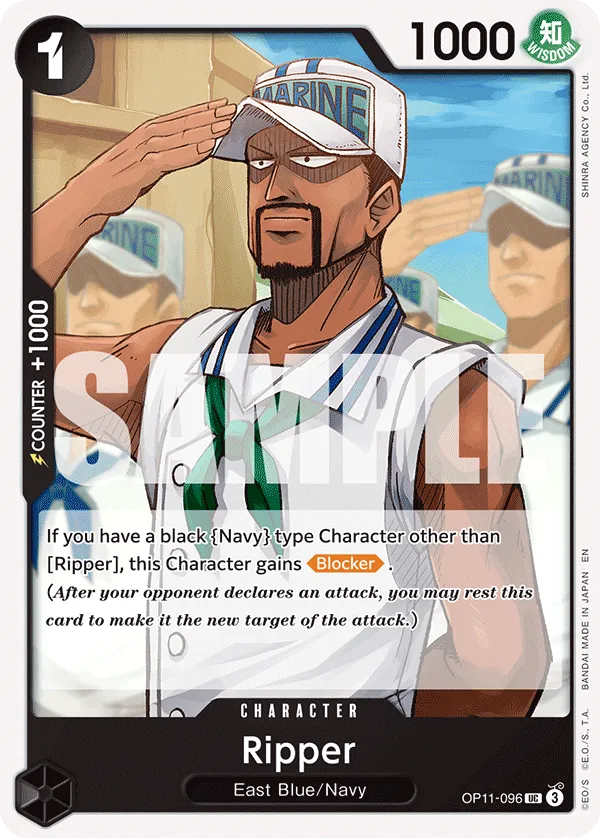
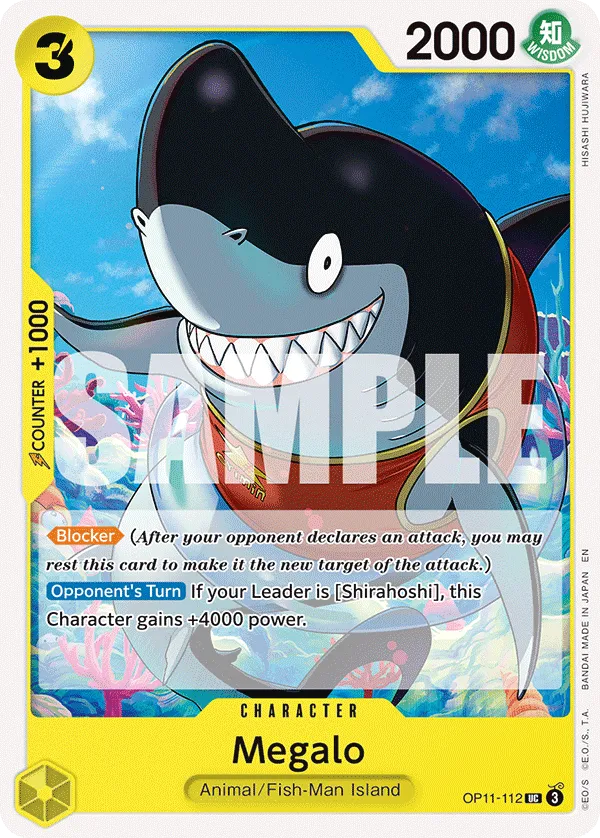

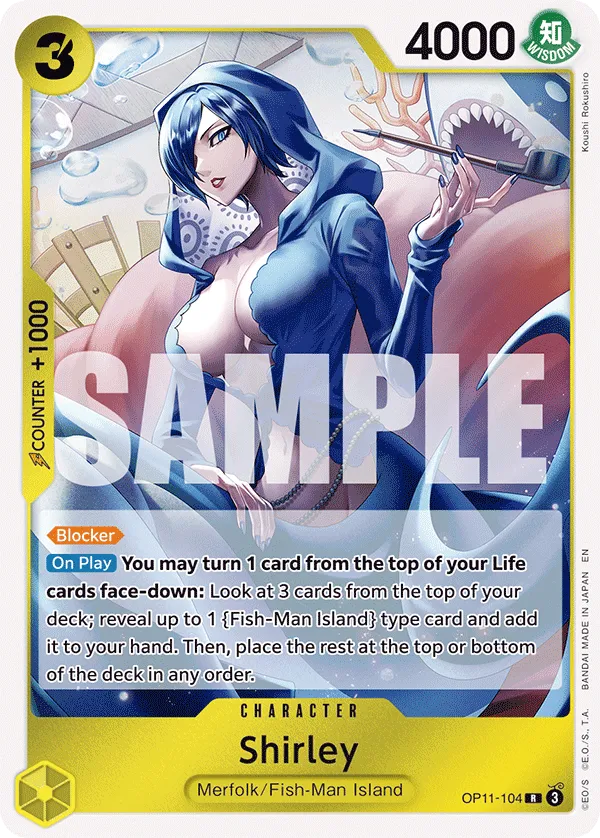
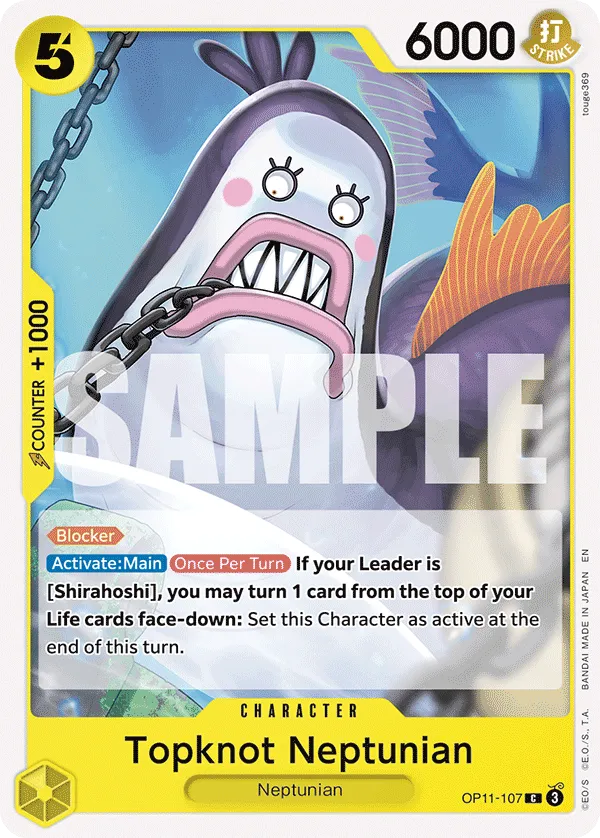
Blockers are incredibly valuable in this format, as most opponents won’t have consistent ways to remove them. This means you can reliably block attacks to protect your Life cards or key rested Characters.
Some Blockers come with drawbacks or restrictions:
- Charlotte Anana and Ripper require you to control a Character with a specific type—Big Mom Pirates or Navy, respectively. Unless your deck runs several Characters of those types, it’s best to avoid them.
- Caribou forces you to trash 2 cards from your hand when played, making him a poor trade-off and not worth including.
- Pedro is a solid 1-cost Blocker, but only gains the Blocker keyword if you have 4 or fewer cards in hand.
The best low-cost Blockers:
- Capone Bege and Briscola are low-cost blockers to take a hit to protect your Leader or a rested Character.
- Charlotte Praline, Brook, and Shyarly are 3-cost Blockers with no relevant effects. They exist purely to chump block, which still has value.
Synergistic Blockers with Rainbow Luffy:
- Borsalino lets your Leader attack an active Character, giving you more control over the board.
- Megalo gains +4,000 Power during your opponent’s turn, becoming a 6,000 Power Blocker, a great wall against 5,000 Power attackers.
- Doll only works with Navy Leaders or Rainbow Luffy. She’s low in Power but reduces an opponent’s Character by 6,000 Power, helping you remove that threat.
Flexible mid-cost Blockers:
- Smoker, Vinsmoke Yonji, Hannyabal, and Shu are all 4-cost Blockers with 5,000 Power, making them useful both defensively and offensively.
- Shu gains +5,000 Power if your opponent’s Character has the Slash attribute, potentially letting you block without losing your Character.
High-power Blockers (6,000+ Power) are always excellent choices. They can safely block 5,000 Power attackers and typically require less Counter investment to keep alive compared to taking the hit to your Life.
Finally, 8-cost Katakuri is one of the strongest cards in the set. He acts as both a powerful attacker and a Blocker who can restand himself, allowing him to pressure your opponent while still defending on the following turn.
Control Characters




I’ve already covered control-focused Characters like Jinbe and Gyoro-me, so I won’t repeat them here. Another strong control option is Lord of the Coast, which slows your opponent down by preventing one of their rested Characters from becoming Active on their next turn.
Kuzan can work with Rainbow Luffy or Navy-type Characters, allowing them to attack Active Characters. He’s a situational card that will be dependent on your Leader or the cards you pull.
Fish Tiger’s On Play effect isn’t restricted to the type of your Leader. On Play, he can rest one of your opponent’s Characters, allowing you to attack into it and potentially KO it. It can also shut down a blocker so your attackers can go through.
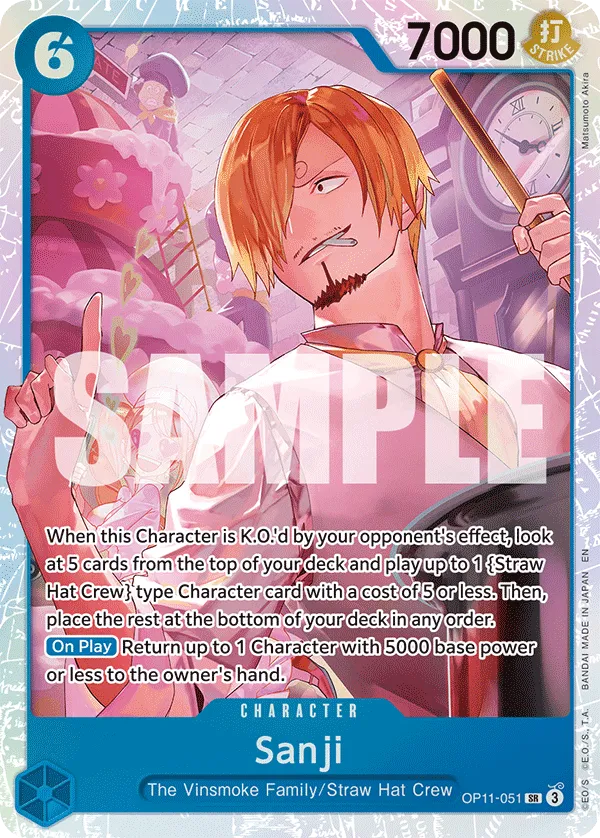
Sanji may not offer much value with his On KO effect, but his On Play ability is quite useful. It lets you return a 5,000 Power Character to your opponent’s hand, helping you swing the board state in your favor. You could also use it to return a Character to your hand, which can be neat if you need to reactivate an effect or use it as a Counter.
One of the strongest cards in the set is 8-cost Luffy. As a Rush attacker, he applies immediate pressure. On top of that, you can trash a card from your hand to return a 4-cost Character to its owner’s hand and attach a rested DON!! to your Leader or one of your Characters.
Koby allows one of your Characters to attack an Active Character, threatening to remove it from play. When he goes for the attack, he can give your Leader a +1,000 Power boost that sticks until the end of your opponent’s upcoming turn.
Power Reducers


Power reduction cards are especially valuable in this format, as lowering an opponent’s Character’s Power makes them easier to remove through attacks. Since maintaining board control is key, anything that helps clear opposing Characters is worth considering. I’ve already covered Doll, who is one of the strongest Power reducers available.
Nico Robin and Hibari are both great additions to your deck:
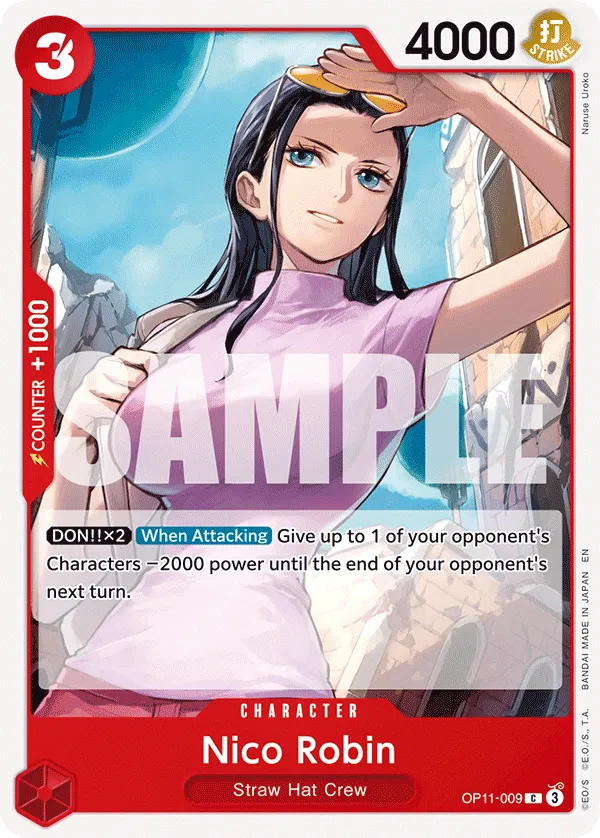
- Nico Robin has 4,000 Power, and when she attacks with 2 DON!! attached, she reduces an opponent’s Character’s Power by 2,000, making it easier to clear or at least forcing your opponent to expend Counter resources.
- Hibari has an On Play effect that immediately reduces an opponent’s Character’s Power by 2,000. This helps set up a KO using your other attackers or effects. If your Leader is Navy or Rainbow Luffy, she also enables them to attack Active Characters.
As for Zephyr, while he can reduce a Character’s Power by a massive 5,000, the effect only works on Characters with the Special attribute. Since that condition is rarely met, Zephyr is generally not worth including.
Card Value

Roronoa Zoro lets you attach a rested DON!! to your Leader or one of your Characters once per turn, giving your attacks more power and forcing your opponent to commit extra Counter cards to defend.
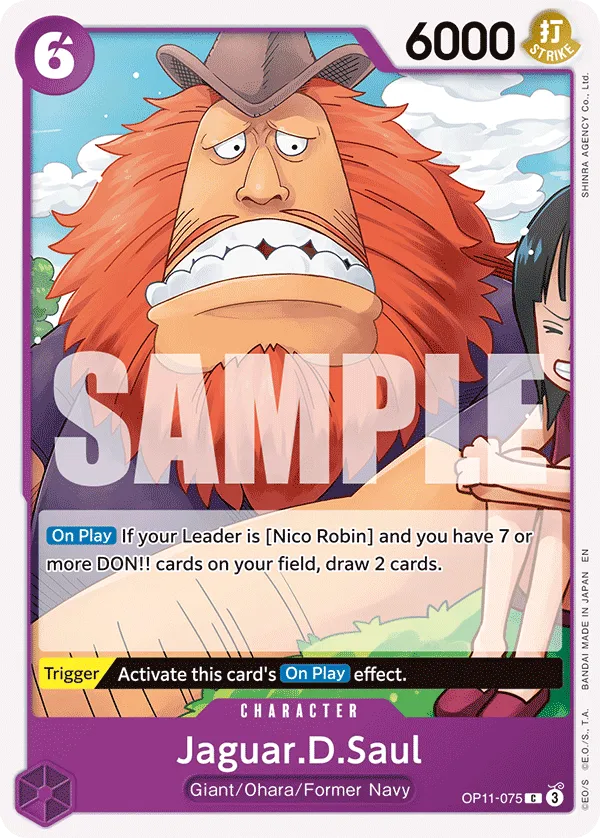
Jaguar D. Saul only works with Rainbow Luffy, but drawing 2 cards in the late game is a great way to refill your hand.
+2,000 Counters
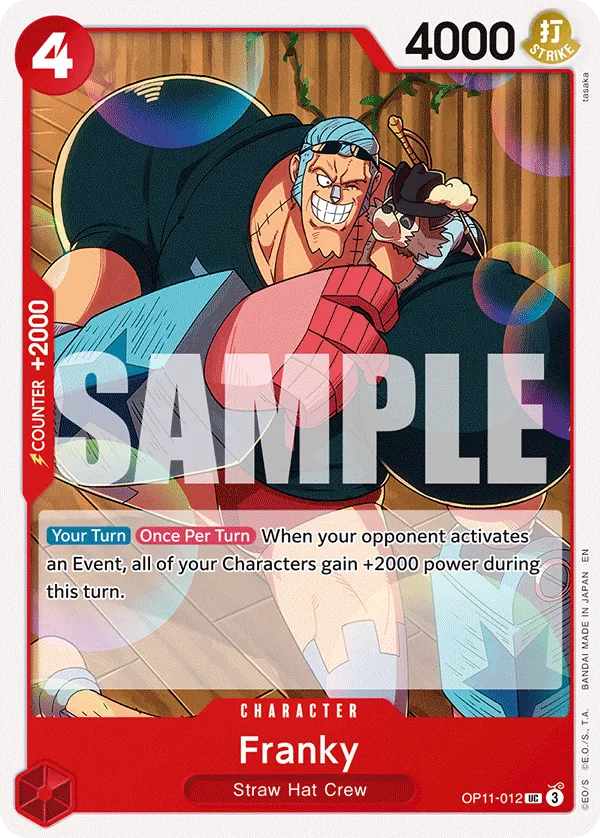

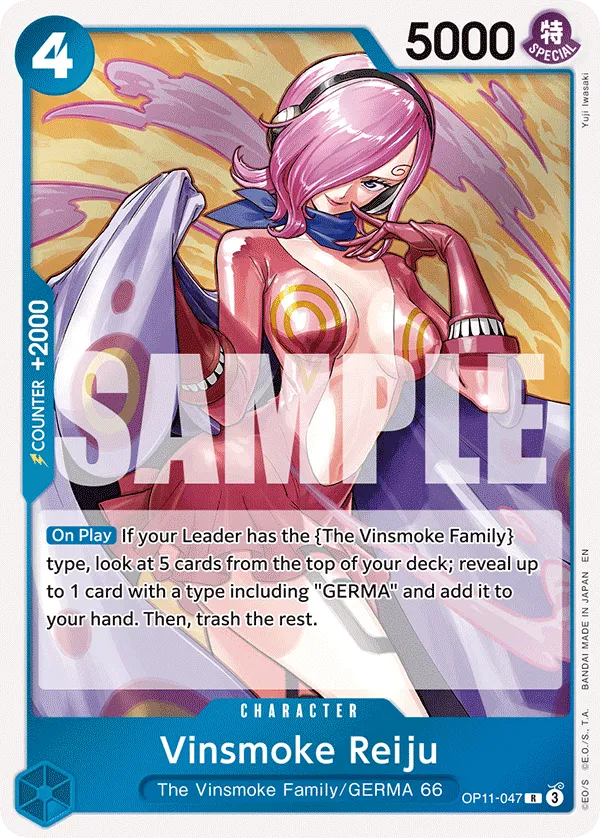
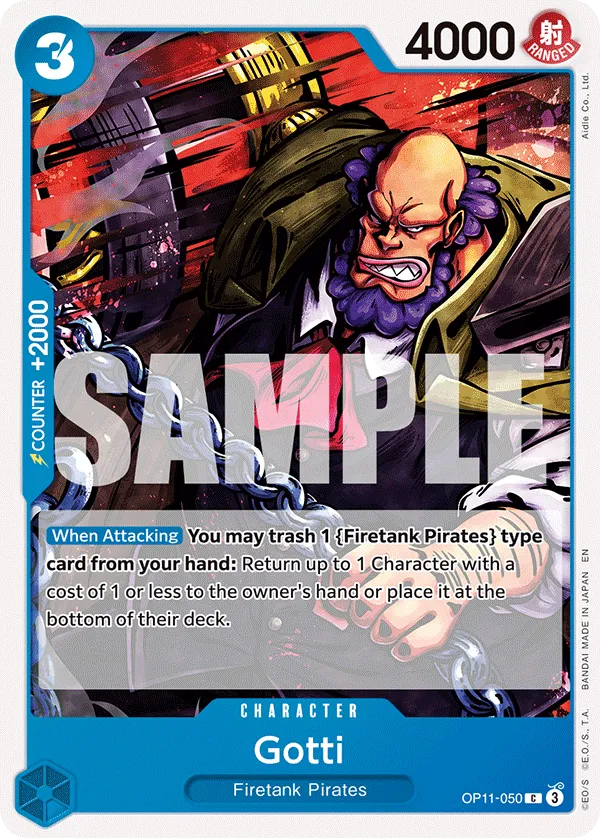
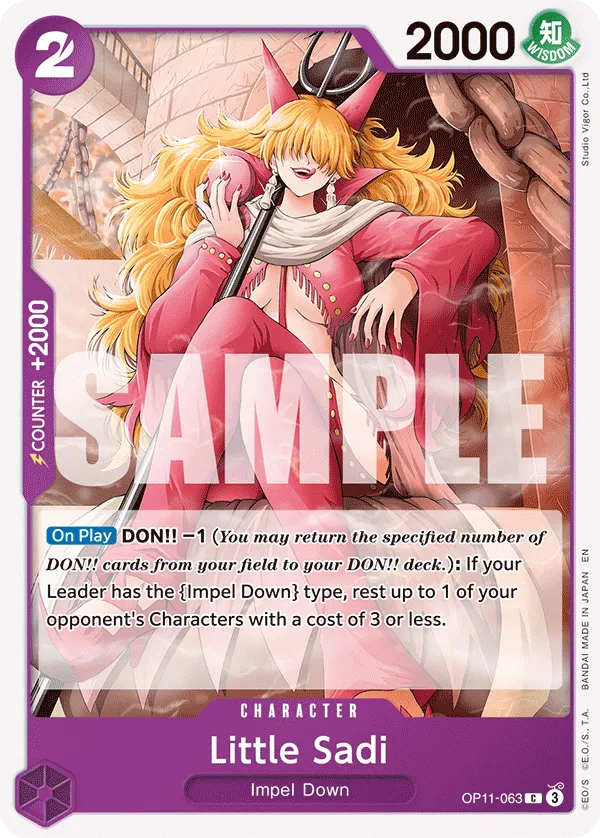
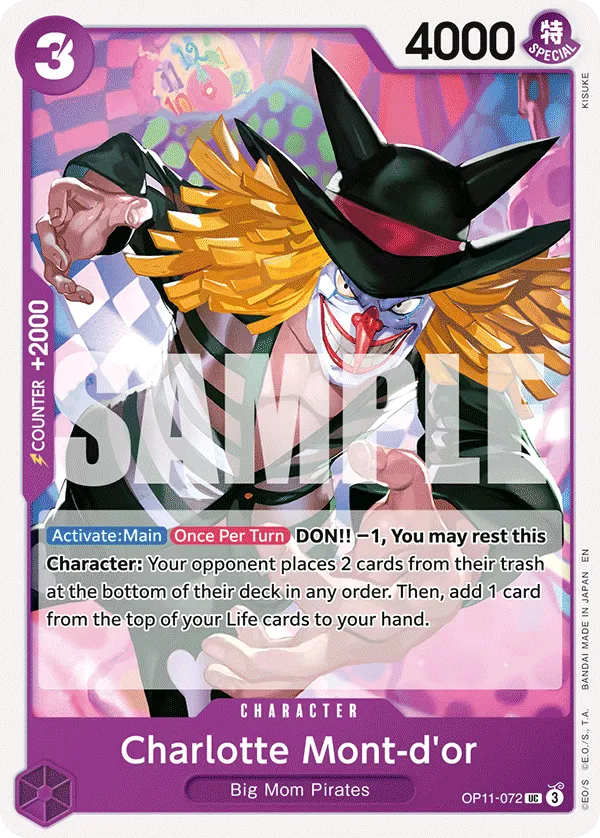
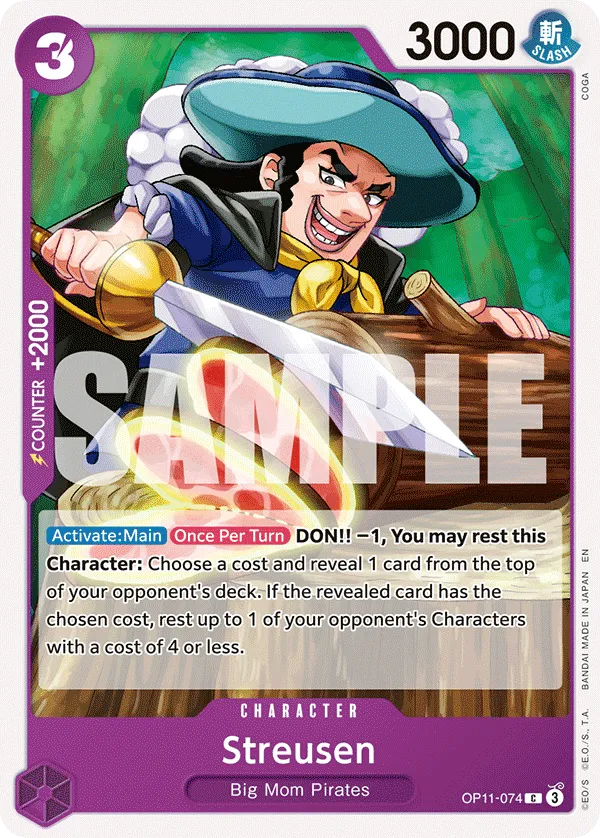
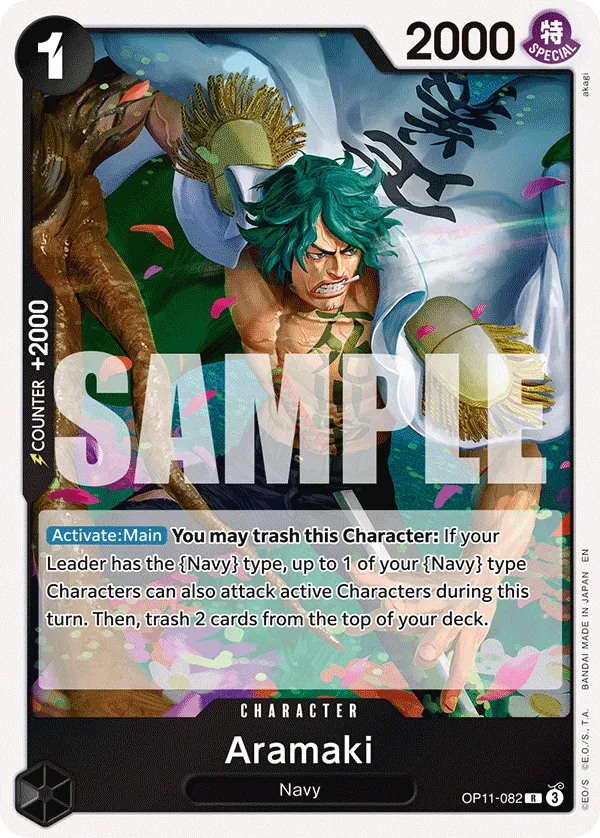

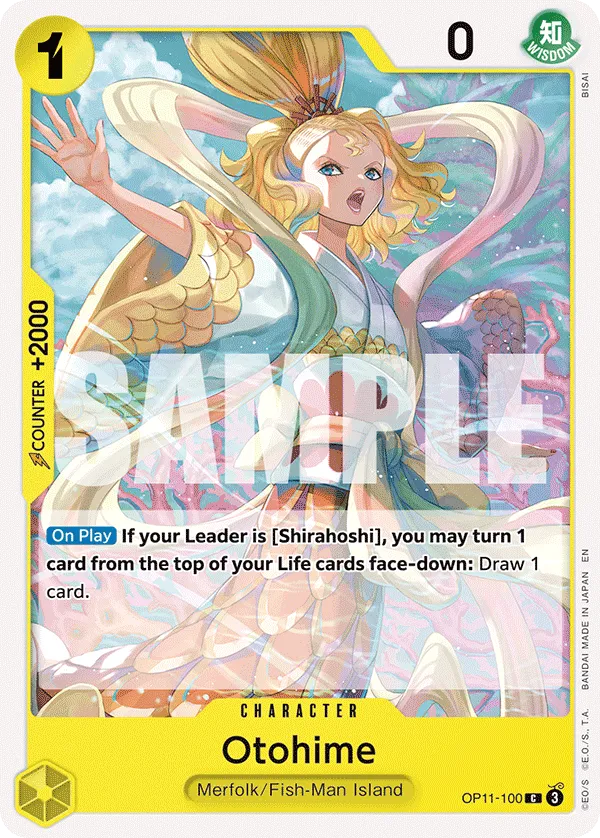
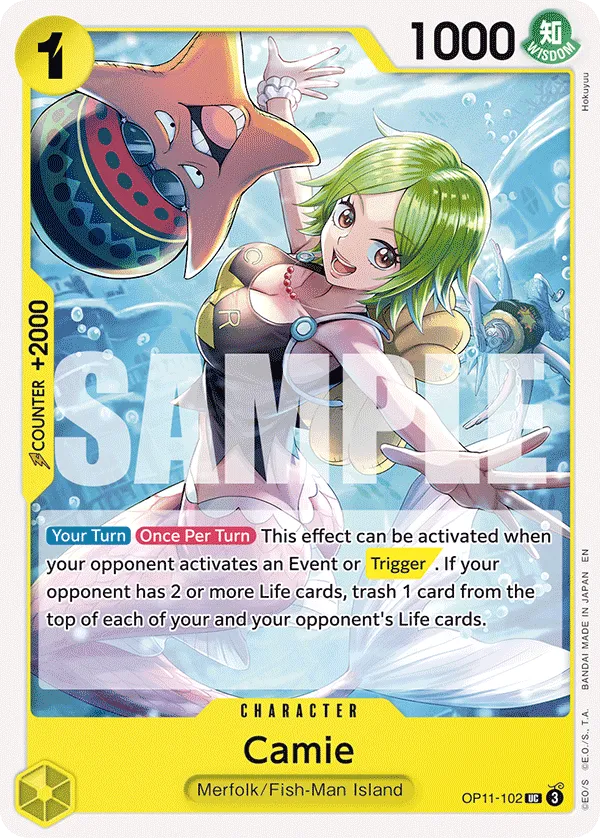

With the release of OP11, we have access to a wide range of +2,000 Counter Characters. In most cases, these cards are included primarily for their Counter value, helping you shut down incoming attacks and defend key turns. However, we’ll usually favor the Vanilla +2,000 Counter Characters over most of these.
One standout is Zeus, who likely has the most impactful effect among these cards. By taking one of your own Life cards, he can KO a 5-cost or lower Character, helping you keep control of the board, or even remove a blocker.
Events
We don’t have to include Events for our deck to perform well, but running two or three events could still come in handy.
Removal Events
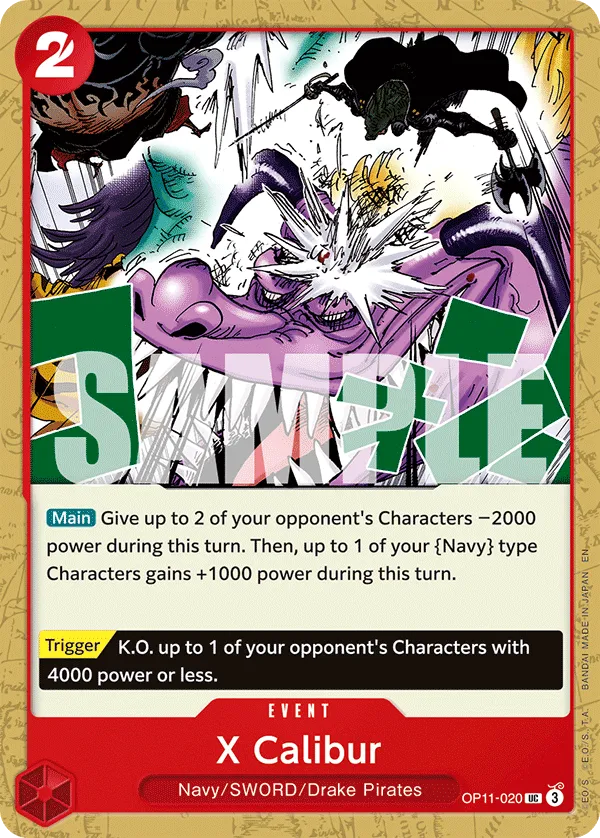

X Calibur reduces the Power of two opposing Characters by 2,000, making it easier for your attackers to KO them. The secondary effect only targets {Navy} type Characters, so you might find yourself in situations where you can’t activate it. Regardless, the -2,000 Power reduction is good enough.
Honest Impact is simply too good to pass up. It reduces the Power of one opposing Character by 4,000, then lets you KO a Character with 6,000 Power or less. This means you can effectively remove a 10,000 Power Character by combining both effects, or split the value, lowering one Character’s Power and KO’ing another entirely. It’s a highly versatile and powerful removal option.
Counter Events
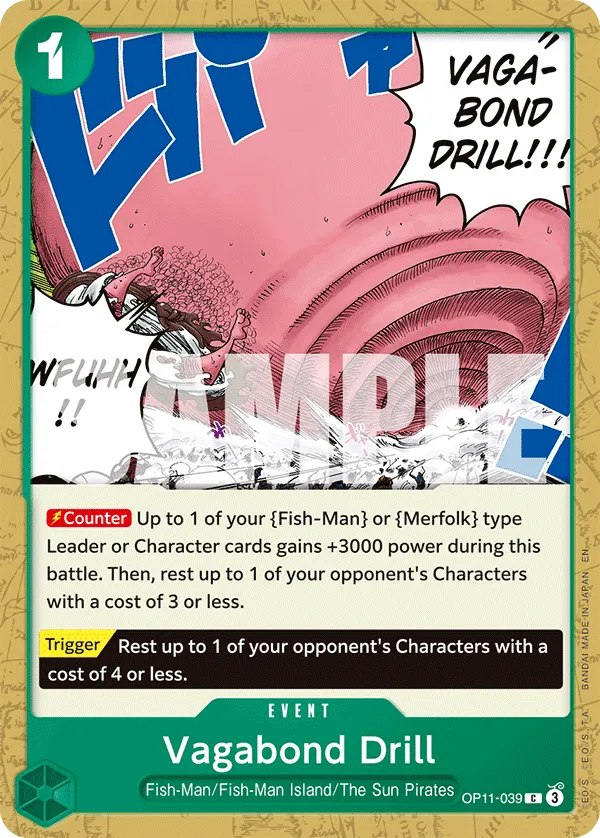
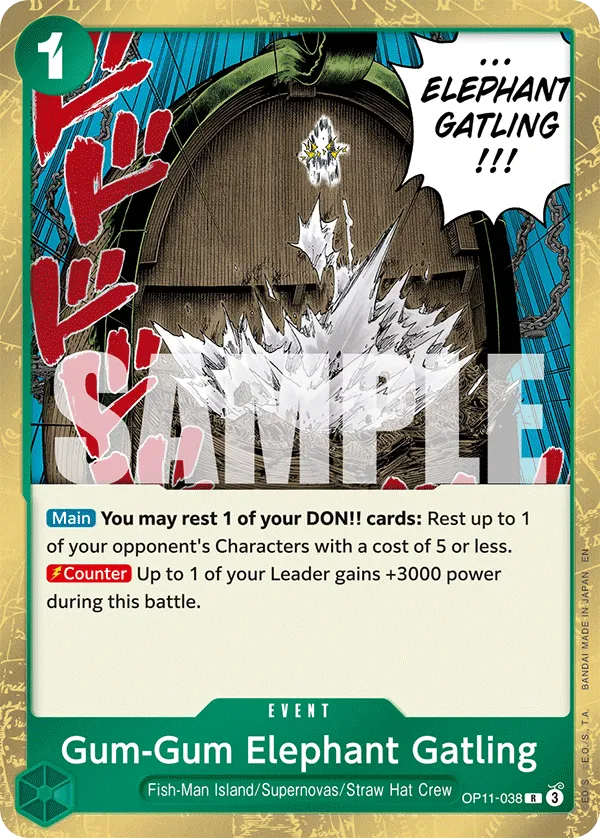
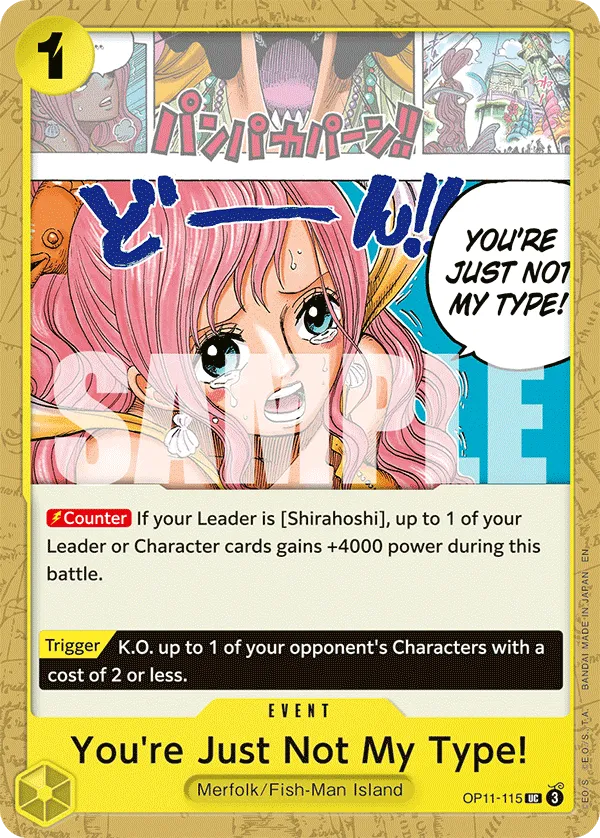

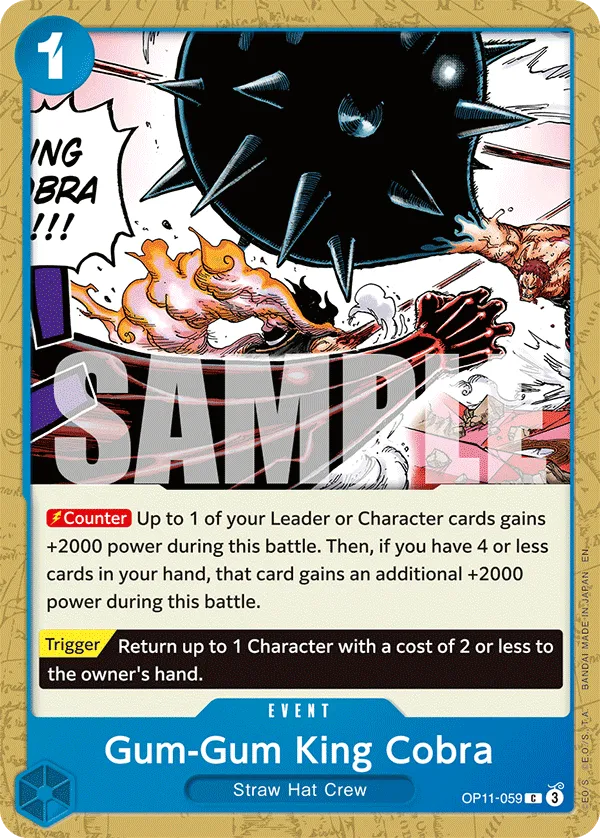

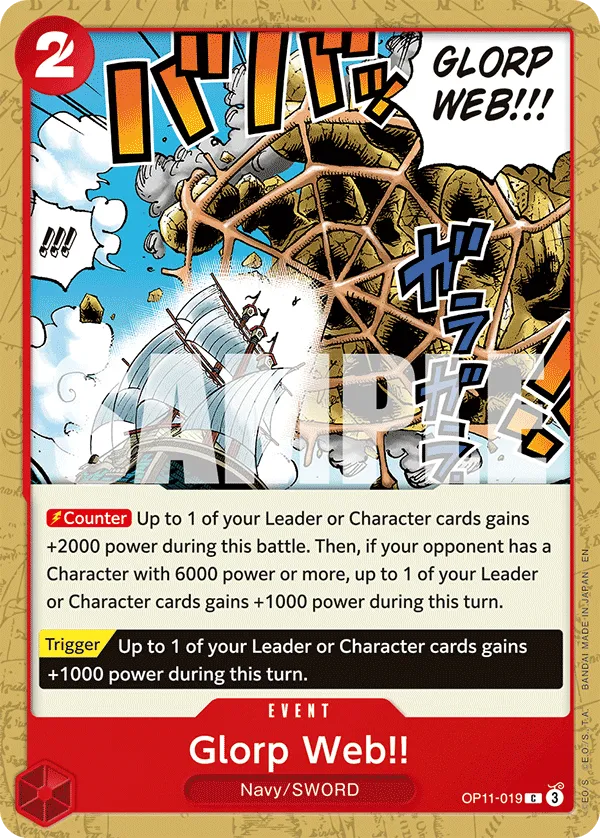
This set offers access to several powerful Counter Events, but it’s important not to include too many. Your main goal is to consistently develop your board, so prioritize cards that help you maintain pressure and presence on the field while using Events as support tools, not the core of your strategy.
Other Considerations
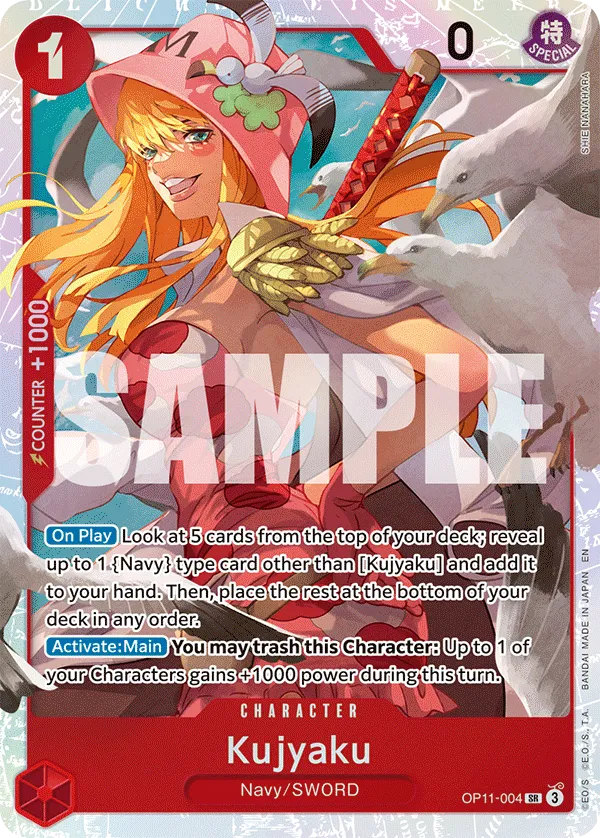
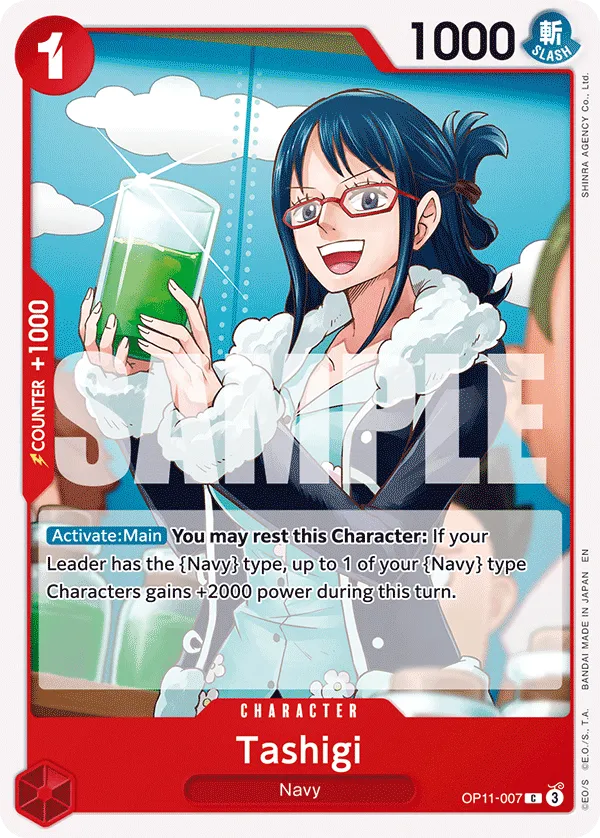
If you end up with a good number of Navy-type cards, you can consider adding Peacock as a searcher. She also has a secondary effect, letting you trash her to give one of your Characters +1,000 Power during your turn, which can help push through attacks. Tashigi is another card you could add to your deck if you have the Navy Characters to make use of her Power boost effect.
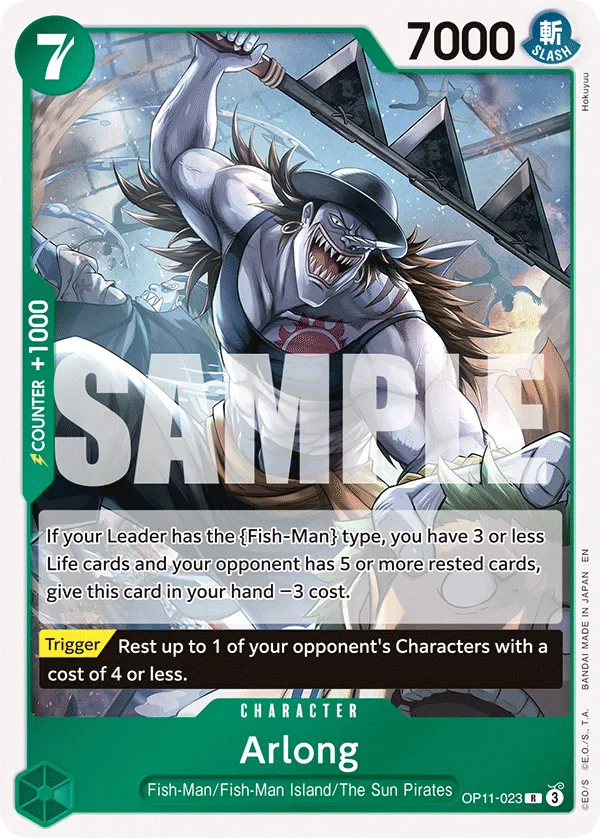
If you’re playing Rainbow Luffy, Arlong is another solid option. He becomes a 4-cost Character if you have 3 or less Life cards and your opponent has 5 or more rested cards (including rested DON!!). This makes him a strong mid-to-late game play that can swing tempo in your favor.
How to build the deck
It’s important to make sure your deck has a smooth curve. Once you’ve added your Blockers, Vanillas, +2,000 Counter cards, and late-game win conditions, take a step back and review your list. You want to ensure you can develop on the board every turn after Turn 1 (if you’re going second). We don’t want to end up with a bunch of unplayable cards in hand and be forced into an awkward turn that puts us behind.
Your turn order should also match your deck’s curve. For example:
- If you’re running a lot of 4-cost and 6-cost Vanillas, going second lets you start playing them right away.
- If your deck leans more on 5-cost Characters and 7-cost Vanillas, then going first is usually the better choice.
Also, be careful not to overload your deck with cards that have no Counter value. Running too many of them can make it difficult to defend against attacks, leaving you vulnerable and dropping to low Life early in the game.
Practice
You can use a pack-opening simulator here.
Closing Words
A pre-release sealed event is a fun and exciting way to play the One Piece card game, and the prizes are often quite valuable. Be sure to familiarize yourself with the cards before the event, it’ll make deckbuilding easier and help you play more effectively during matches!
This is it from me, I wish the best for your event, good luck! If you want to keep up with my content, consider following me on Twitter or BlueSky.