The One Piece Card Game is one of the newest TCGs on the market, and it quickly broke records to become one of the most-played games out there! While OPTCG’s powerful IP played a major role in globalizing the game, it was the gameplay and community that took it to the next level, cementing its place as one of the top card games to pick up.
OPTCG launched in 2022, and since then, we’ve seen a variety of unique metas with different decks rising to the top to become the best in the format. Naturally, decks rise and fall depending on the community’s understanding of the meta, how well they adapt to it, and the expansions Bandai releases to shake things up. However, some decks refused to give up their throne, dominating the format despite the community’s best efforts to counter them. This led Bandai to step in with the ban hammer, removing certain cards from competitive play to weaken these top-performing strategies.
Today, we’re taking a look at a few Leaders that crushed the competitive scene so hard that Bandai had to either ban them completely or hit key cards in their strategy to bring balance back to the game.
Red Purple Trafalgar Law
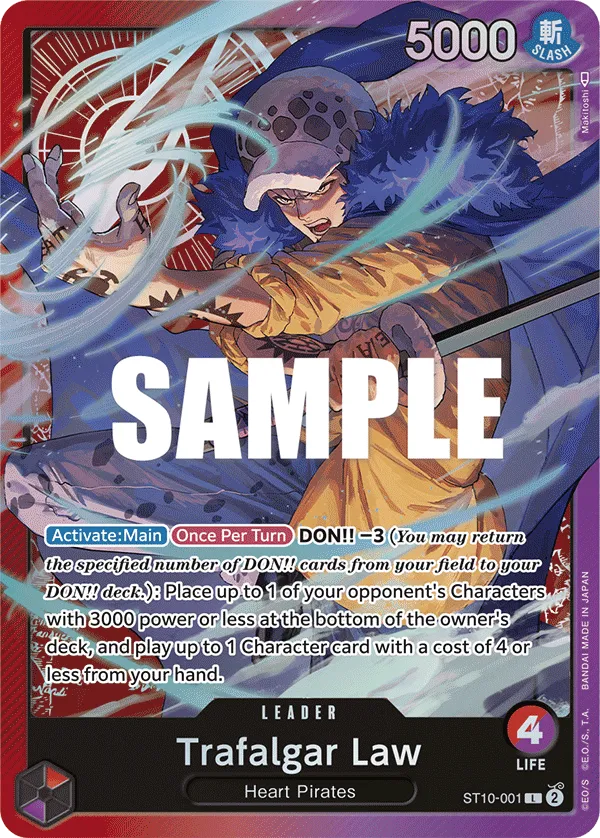

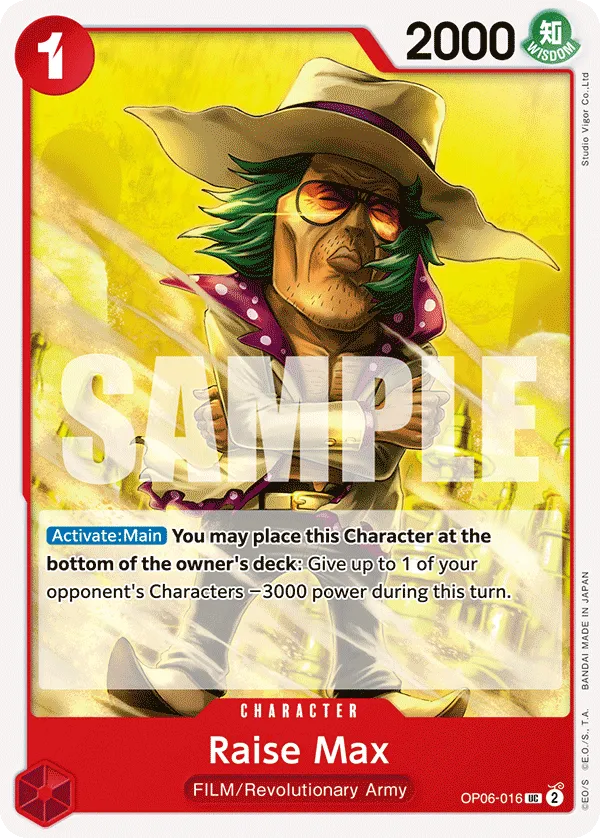
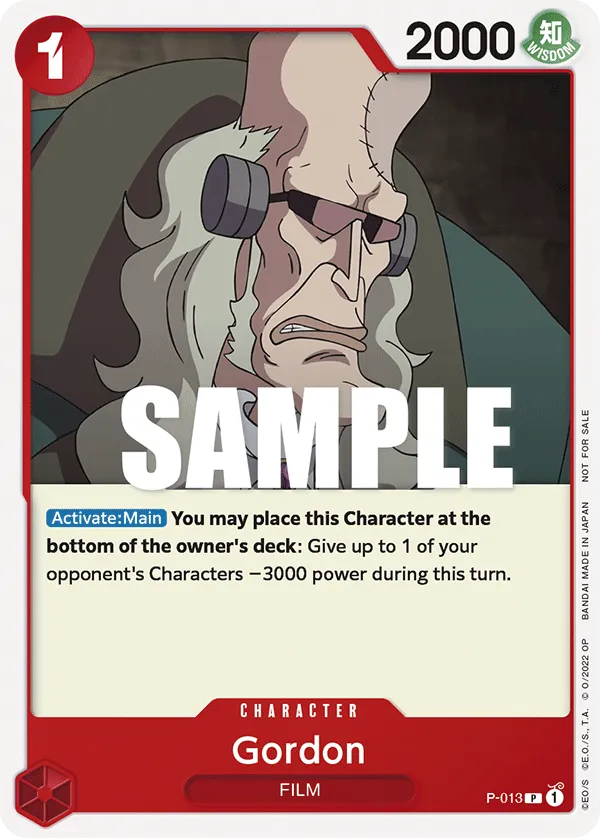

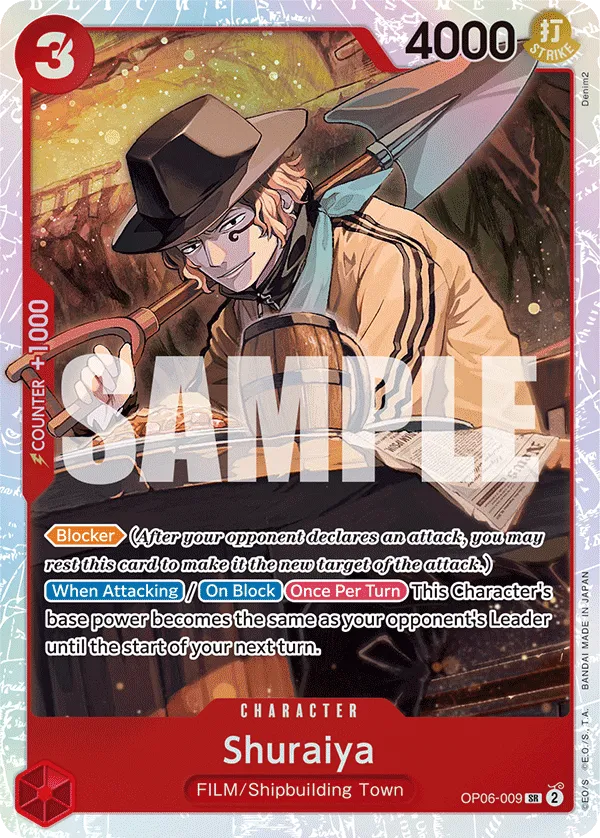


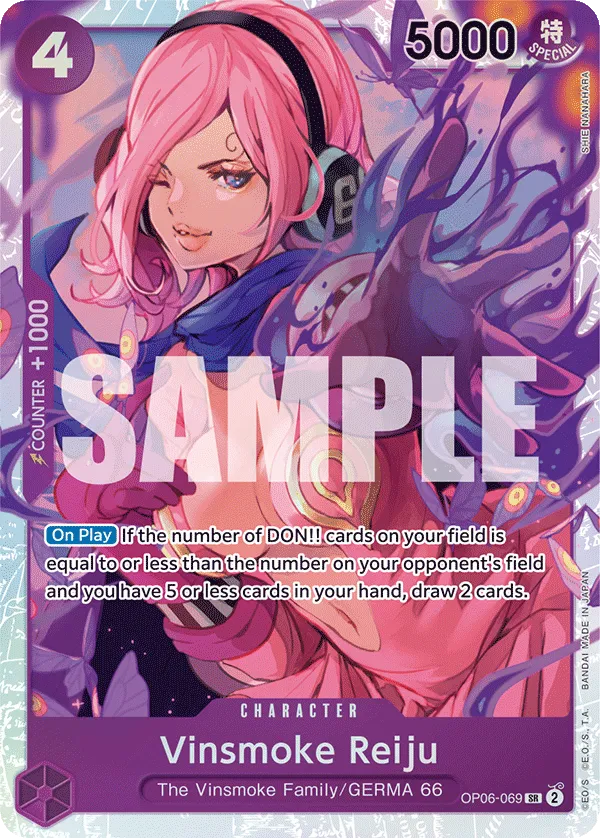
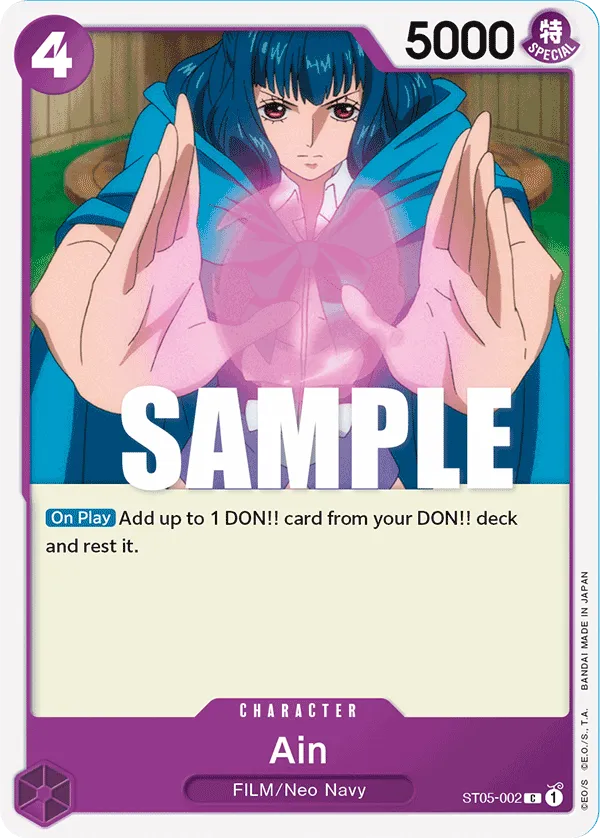
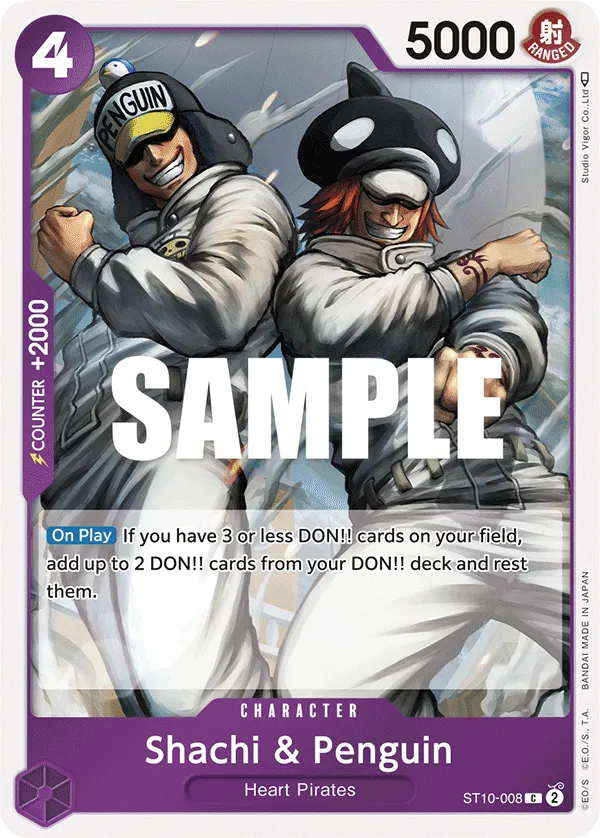
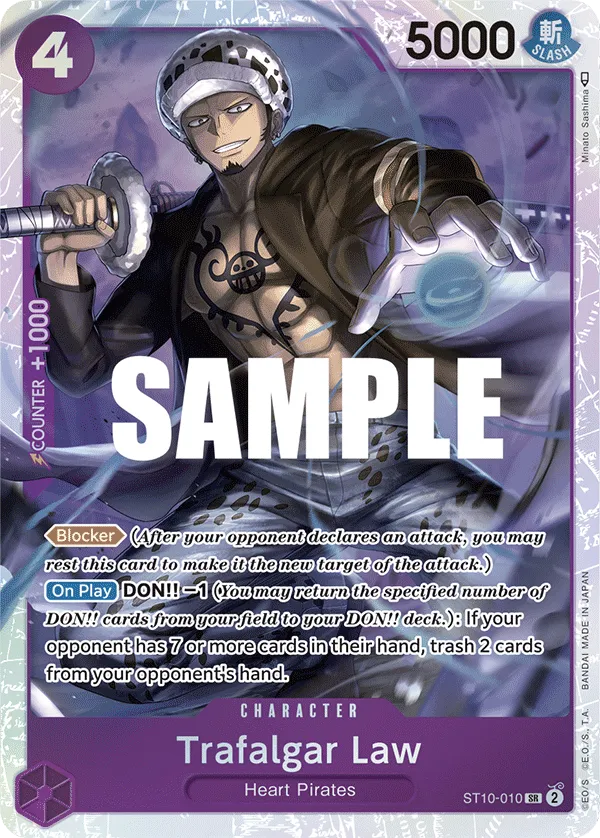
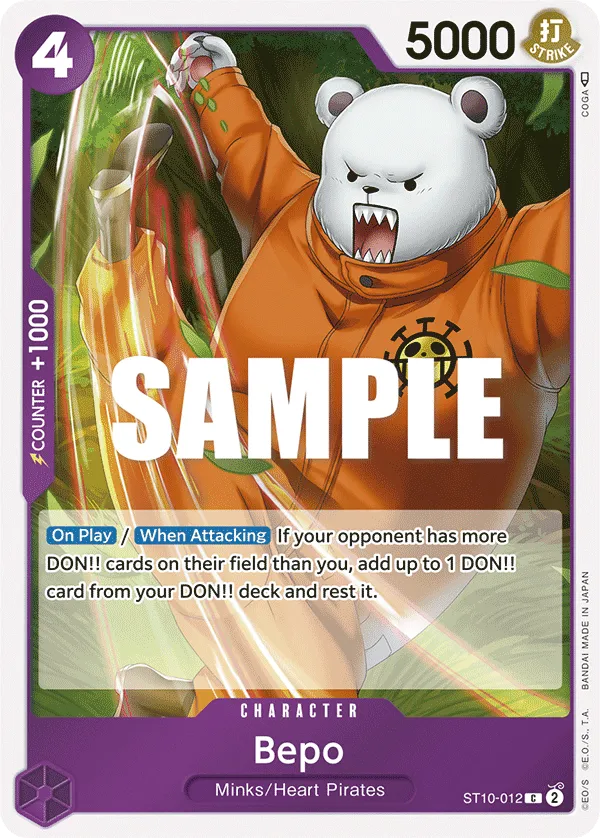

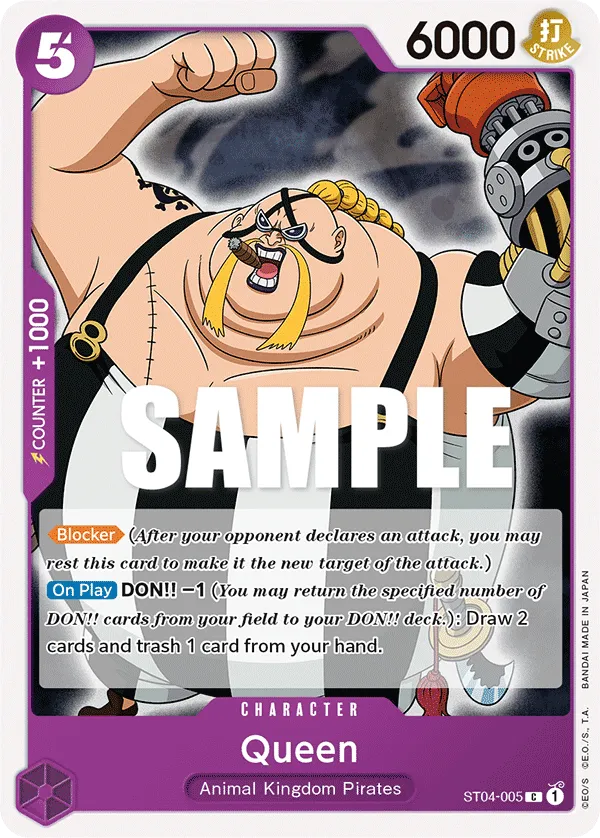

Red Purple Trafalgar Law held its spot as one of the best-performing decks in the early OP06 meta. But with the introduction of Bon Clay in EB01, Law reached a whole new level thanks to the added ramp. Ain, Bon Clay, Shachi & Penguin, and Bepo all ramped up DON!!, allowing RP Law to activate his effect early in the game and develop an extra Character on the field to overwhelm opponents without having to worry as much about the deramp drawback.
This deck quickly took over the OP06 meta, playing at a pace most decks couldn’t keep up with. The ramp effects helped mitigate the Leader’s drawback, making the -3 DON!! cost less of an issue, especially when you’re dropping two bodies per turn to launch multiple attacks.
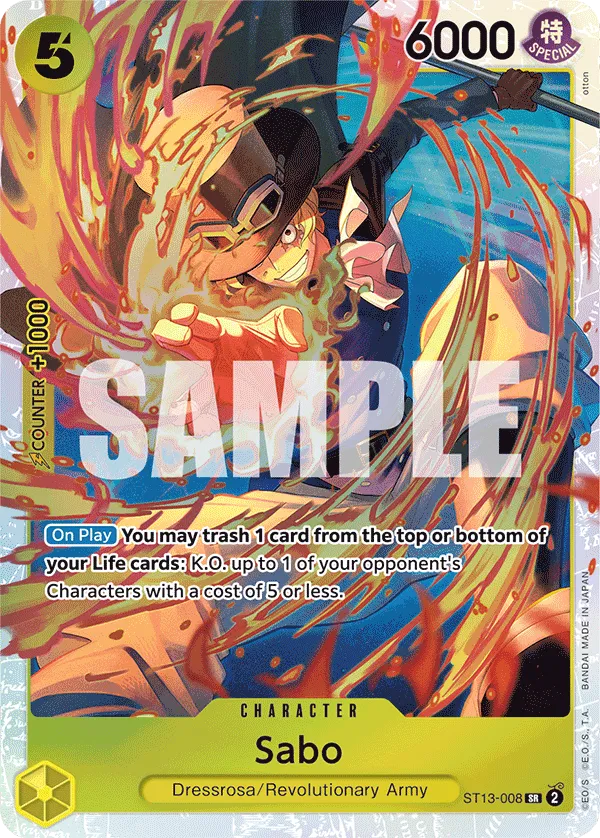
Leader Law’s effect wasn’t just about cheating out a 4-cost or less Character; it also removed a 3,000 Power Character on the opponent’s field by placing it at the bottom of their deck. You’re essentially developing a Character while weakening your opponent’s board, and with cards like Otama, Gordon, and Raise Max, you could even target higher-power Characters for removal. Since Law’s effect is placing the Character at the bottom of the deck instead of KOing it, it allowed you to bypass KO immunity effects, especially with 4-cost Borsalino and 5-cost Sabo being popular choices back then.
We also can’t forget the introduction of Kid & Killer in EB01, another card that gave Law a huge boost in aggression. With this deck’s early pressure, it was easy to drop your opponent to 2 Life, setting up Kid & Killer for a 7,000 Power Rush swing.
Bandai had two options to deal with Red Purple Law’s dominance: ban Bon Clay and/or Kid & Killer, or ban the Leader itself. The Leader ban made more sense; the effect was simply too strong and would continue to be a problem in future expansions, as new cards could easily break it again.
Blue Black Sakazuki
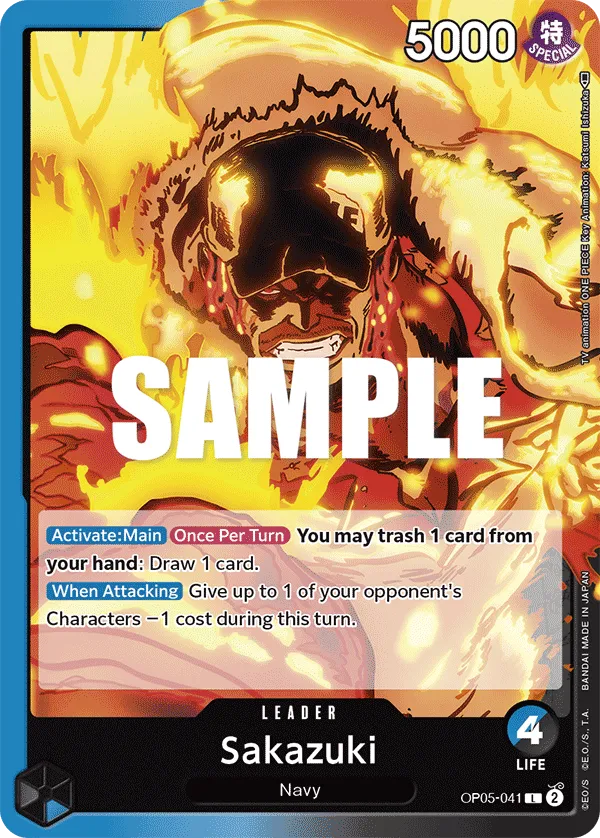

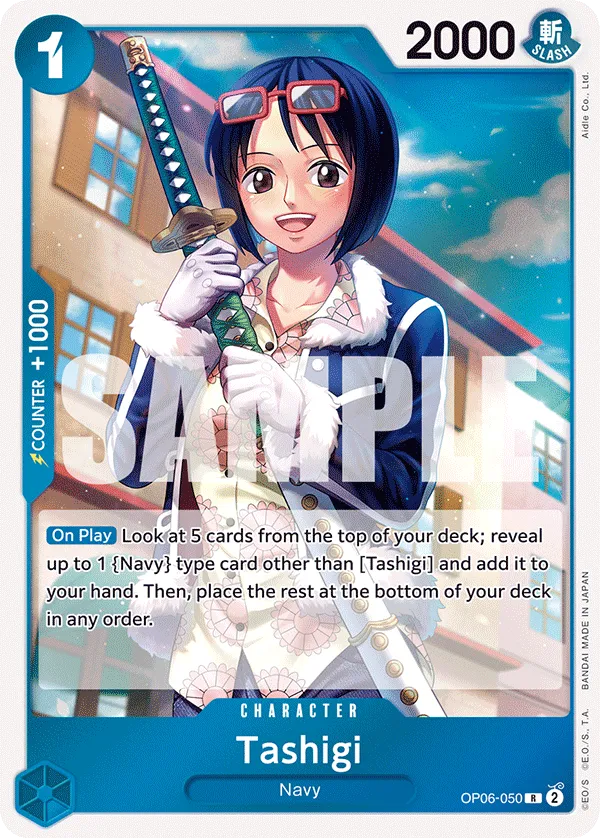

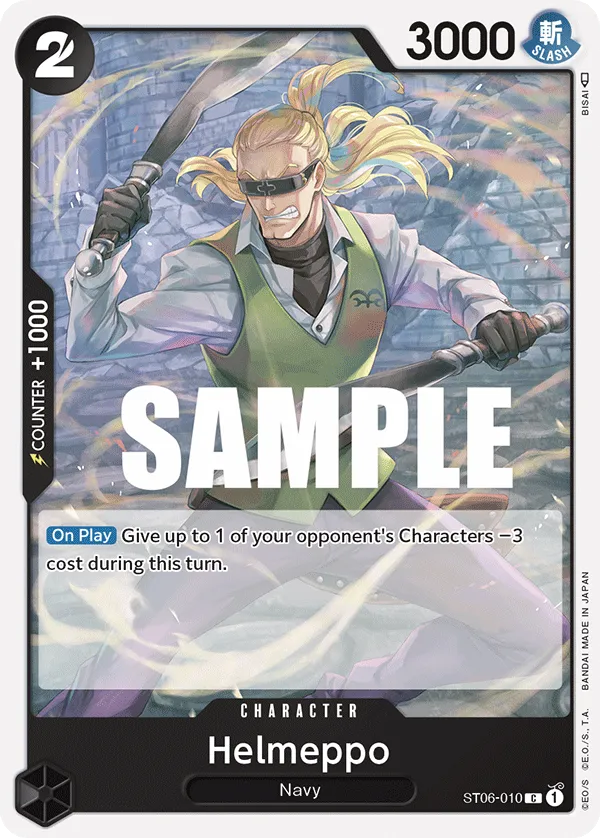


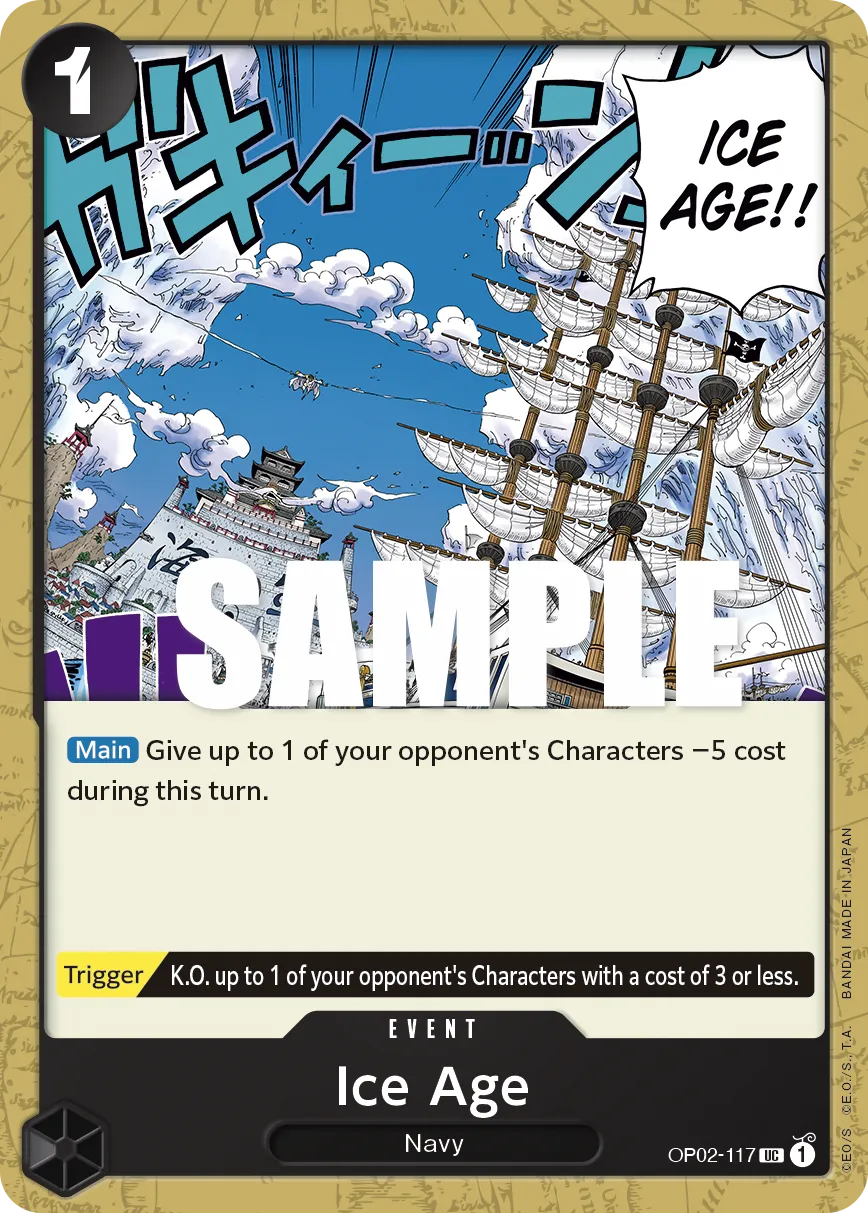

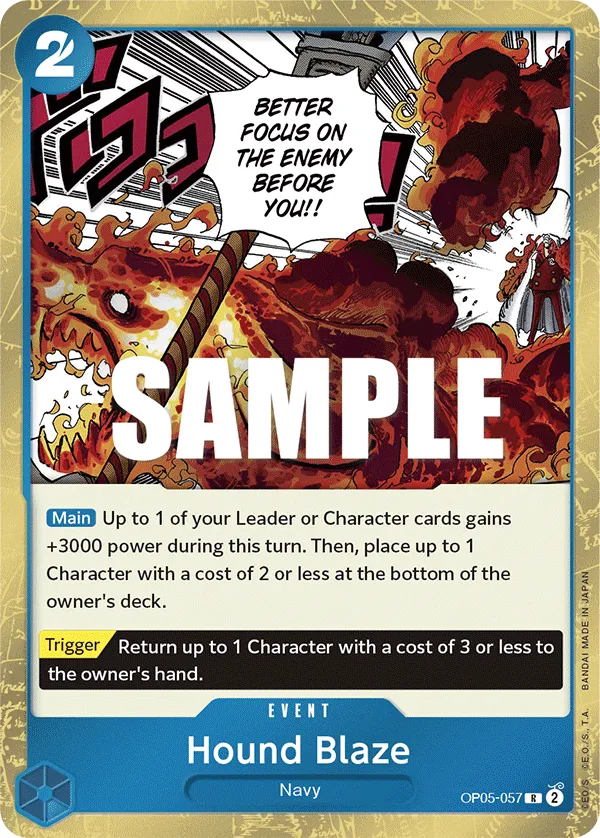

Blue Black Sakazuki brings back memories! I started playing OPTCG around when Sakazuki was released, and of course, I picked him up right away to see what the deck was all about. This Sakazuki list was the last one I covered before the ban, but there was a time when 4-cost Borsalino, 5-cost Sabo, and 7-cost Borsalino were popular choices to include.
If you were a fan of removing everything from your opponent’s board and making sure they never got a chance to attack with their Characters, Sakazuki was your guy. His first effect lets you trash a card from your hand to draw one, essentially filtering your hand for better options while also loading up your trash. Since Black cards can take advantage of trashed cards, this made Blue Black Sakazuki incredibly consistent and hard to brick. His second effect reduced the cost of one of your opponent’s Characters by 1 whenever Sakazuki attacked, helping put them in range for all your removal options, and this deck had a ton of them.
Brook, Rob Lucci, Hound Blaze, and Ama no Murakumo Sword all served as control tools to clear the opponent’s board. Meanwhile, cost reduction cards like Ice Age, Great Eruption, Helmeppo, and Hina were low-cost ways to bring higher-cost Characters into removal range.
While Sakazuki’s Leader effect already gave the deck strong consistency, what really pushed it over the top was the value it gained from cards like Great Eruption, Rebecca, and Gecko Moria, adding value to both your board and your hand.
Bandai ultimately banned Sakazuki from competitive play, fearing that even banning one or two cards from his core strategy wouldn’t be enough—his Leader effect alone was too strong and would likely remain a problem in future metas. They didn’t stop there either. Great Eruption was also banned to prevent other Black decks from abusing the -2 cost reduction without losing a card from your hand. At the time, Gecko Moria was taking full advantage of Great Eruption, making it much easier to KO Characters with Absolam.
Black Rob Lucci


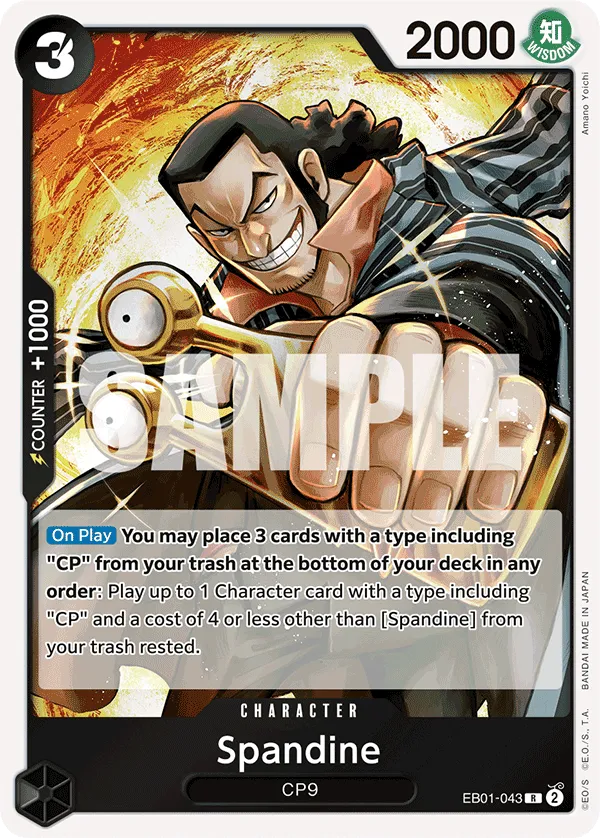
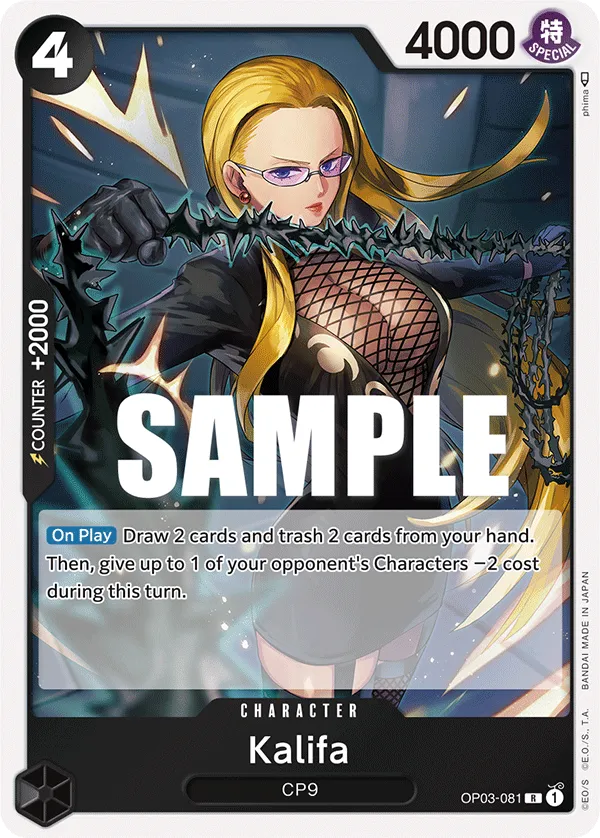
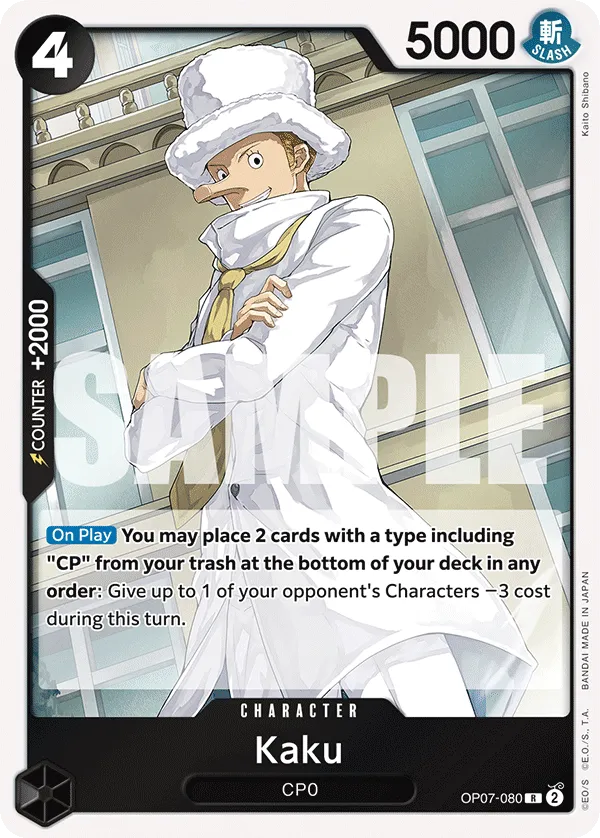

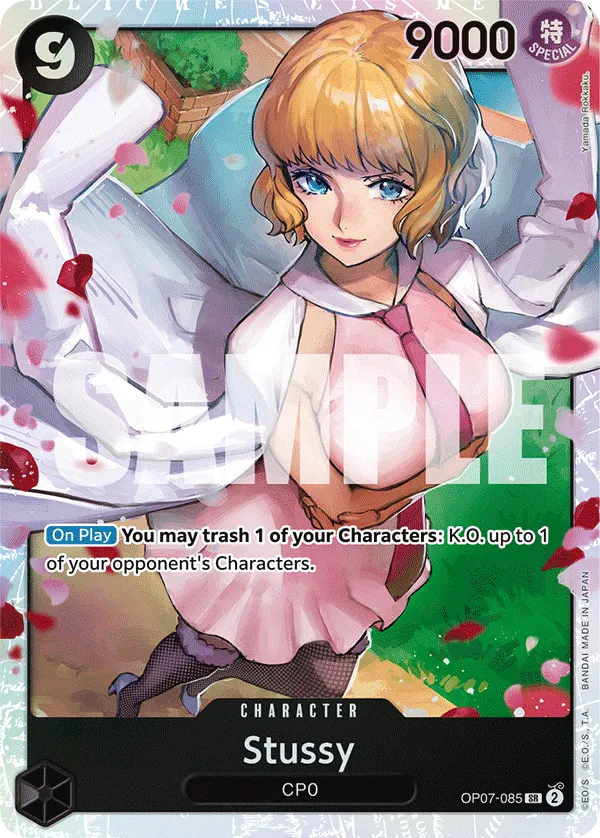

Black Rob Lucci is a prime example of one of the strongest Black decks the game has seen. Despite being hit multiple times by Bandai, Lucci refuses to fall, remaining a viable option in competitive play as a Tier 2 deck.
But before all those nerfs, Lucci was a Tier 0 powerhouse during OP07 and OP08, dominating the meta and forcing players to bring decks specifically prepared to face him (Black Yellow Luffy). He single-handedly kept decks like Green Bonney and Blue Doflamingo from taking over the format.
Lucci’s effect somewhat resembles Sakazuki’s. When you attack, you reduce the cost of one of your opponent’s Characters by -1, then trash the top 2 cards of your deck. While you lose the card filtering that Sakazuki offered, you’re still enabling removal plays through cost reduction, and the trashed cards become resources for cards like Rebecca, Gecko Moria, and Tempest Kick.
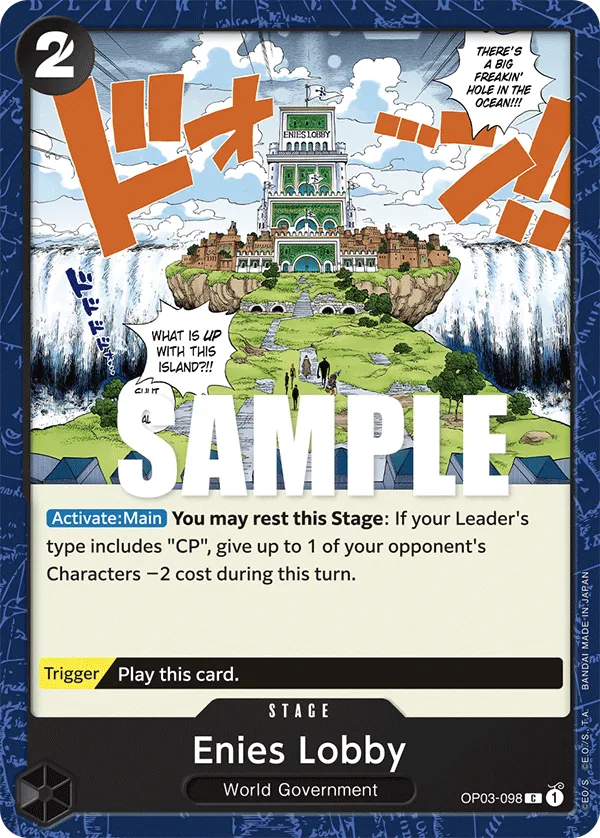
Lucci’s Leader effect wasn’t the only reliable way to reduce Character cost. The Enies Lobby stage was central to this deck’s strategy. Once per turn, it could reduce the cost of an opponent’s Character by -2, making it much easier to put threats in removal range without spending extra resources. It was so essential that players would mulligan aggressively just to find it, massively increasing their odds of winning if they had it early.
Naturally, with Enies Lobby helping Lucci keep boards clean and pressure high, Bandai brought down the ban hammer—targeting Enies Lobby in an attempt to weaken the deck. Did it work? Not really. Players adapted quickly, slotting in Ice Age as an alternative way to hit high-cost Characters.
Soon, 7-cost Jack and 8-cost Kaido became staples in OP08 Lucci lists, replacing cards like Kaku, Stussy, and 8-cost Sabo. The deck remained a dominant force in OP08, still refusing to be dethroned. Eventually, Bandai had enough. They banned both Ice Age and Gecko Moria—a massive blow to Rob Lucci players, who lost their key value engine, go-wide pressure, and a crucial 1-cost Event for dealing with late-game win conditions.
It basically took three bans to bring Lucci down to one knee, but not both! The Black Leader still shows up at tournaments and sneaks in wins, this time leaning on 10-cost Kuzan as both a cost-reducer and a late-game win condition. While the deck is definitely weaker than it was pre-bans, it’s honestly impressive how strong Lucci remains, continuing to hold its own despite losing multiple core cards.
Blue Donquixote Doflamingo
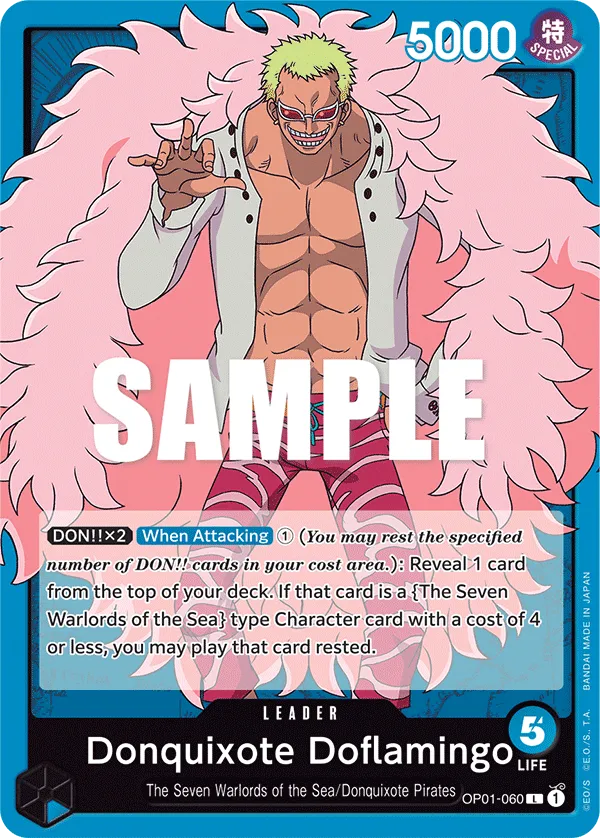

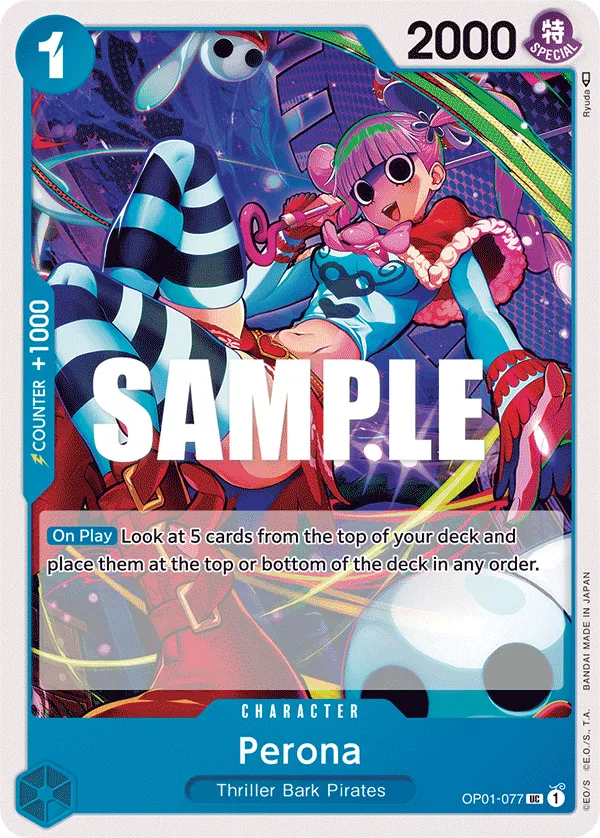

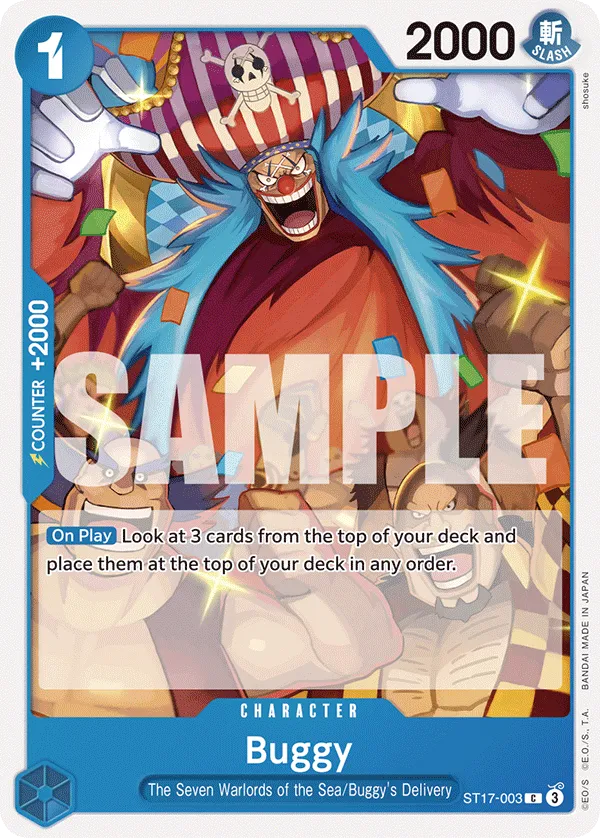


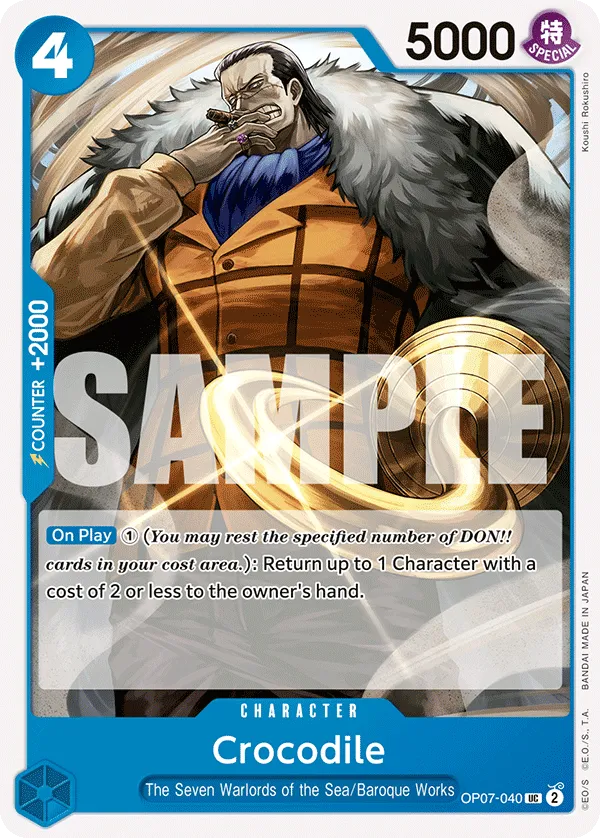



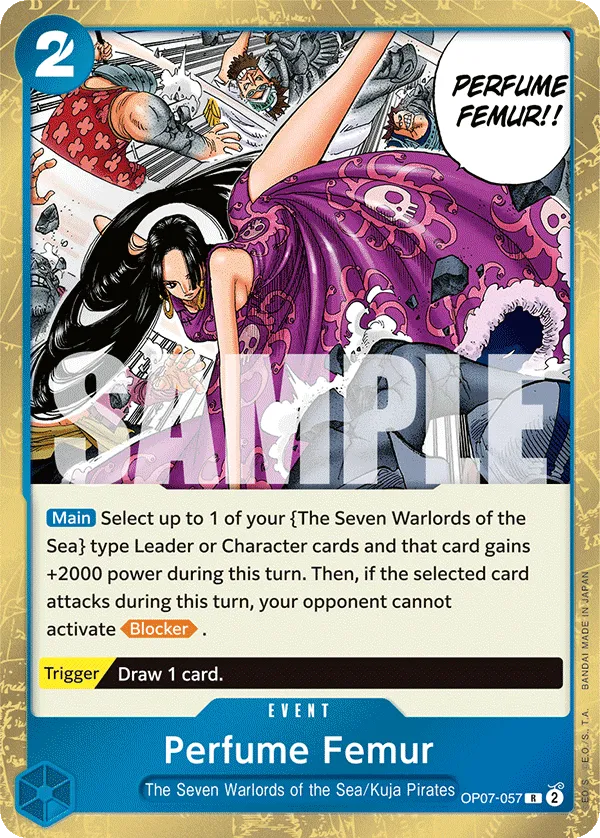

Blue Donquixote Doflamingo—one of the oldest Leaders in the game—got a massive boost with the introduction of Jinbe from OP07 and the ST17 cards. Doflamingo players moved away from heavy control Events and leaned into a more aggressive playstyle, aiming to flood the board using the Leader effect and Jinbe. On top of that, cards like Law and Jozu bounced opposing Characters back to hand, making it even harder for opponents to keep up.
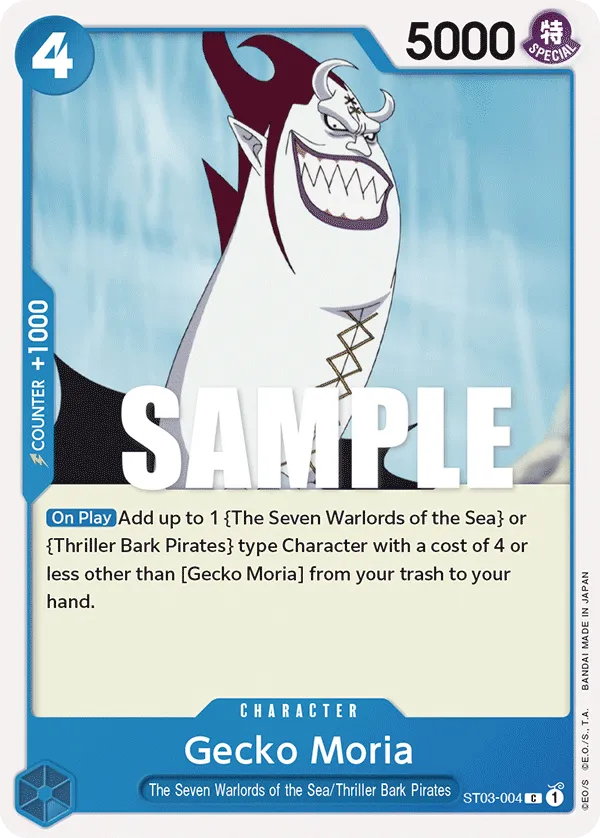
Doflamingo could aggro down most decks, and with value cards like Edward Newgate and Gecko Moria, Doffy players rarely ran out of resources. He was mostly kept in check by the dominance of Black Rob Lucci, but after the Enies Lobby ban, Lucci struggled to consistently remove two Characters per turn, giving Doffy more room to thrive.
Since Leader Doflamingo starts with 5 Life cards, rushing him down wasn’t a reliable win condition. He quickly became a popular tournament pick, though his rise also boosted the popularity of decks like Black Yellow Luffy and Yellow Enel, two Leaders that could stand up to him.
Eventually, Bandai decided that Jinbe was too powerful to keep around and banned him. This was a huge blow to Blue Doffy, though he still remained relevant in OP10 before gradually falling off in OP11 and OP12. The Jinbe ban also dealt an indirect hit to Blue Boa Hancock, who lost almost all of her play rate as a result.
Red Edward Newgate
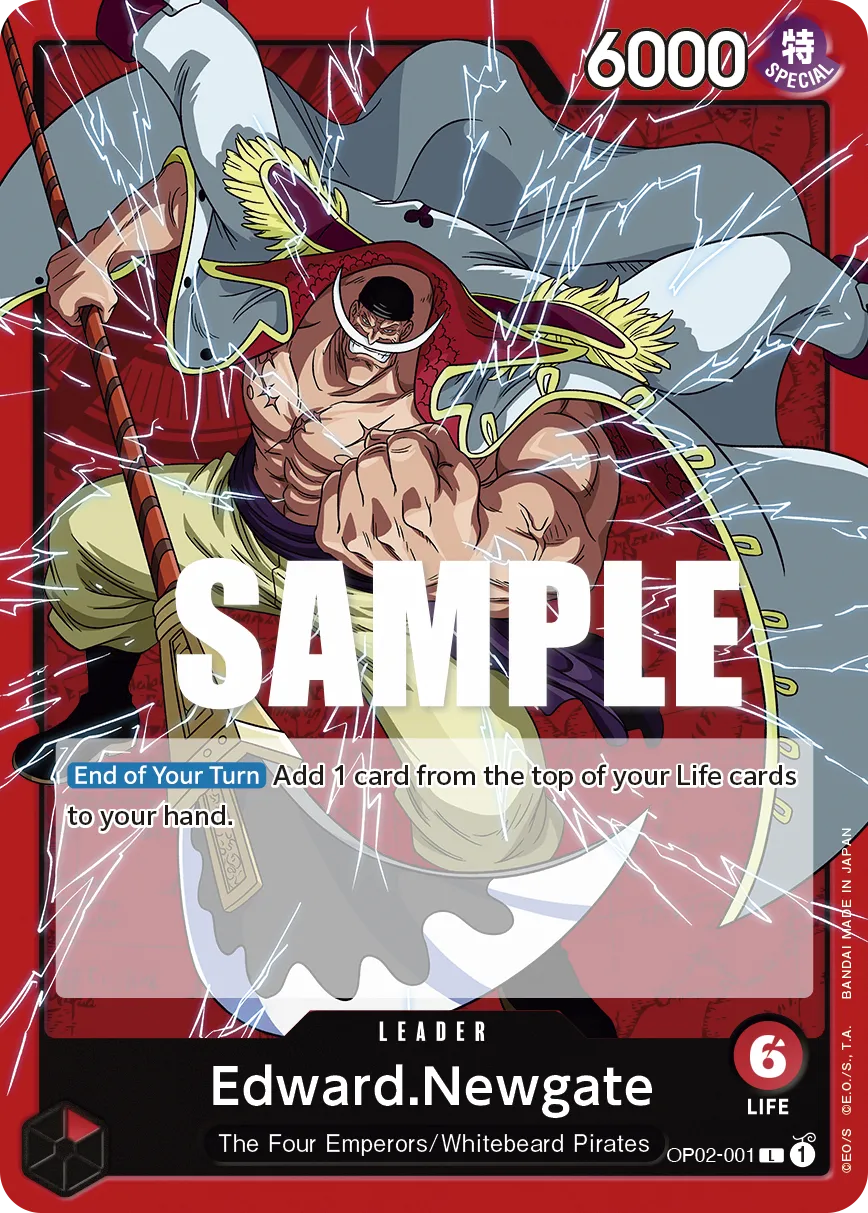

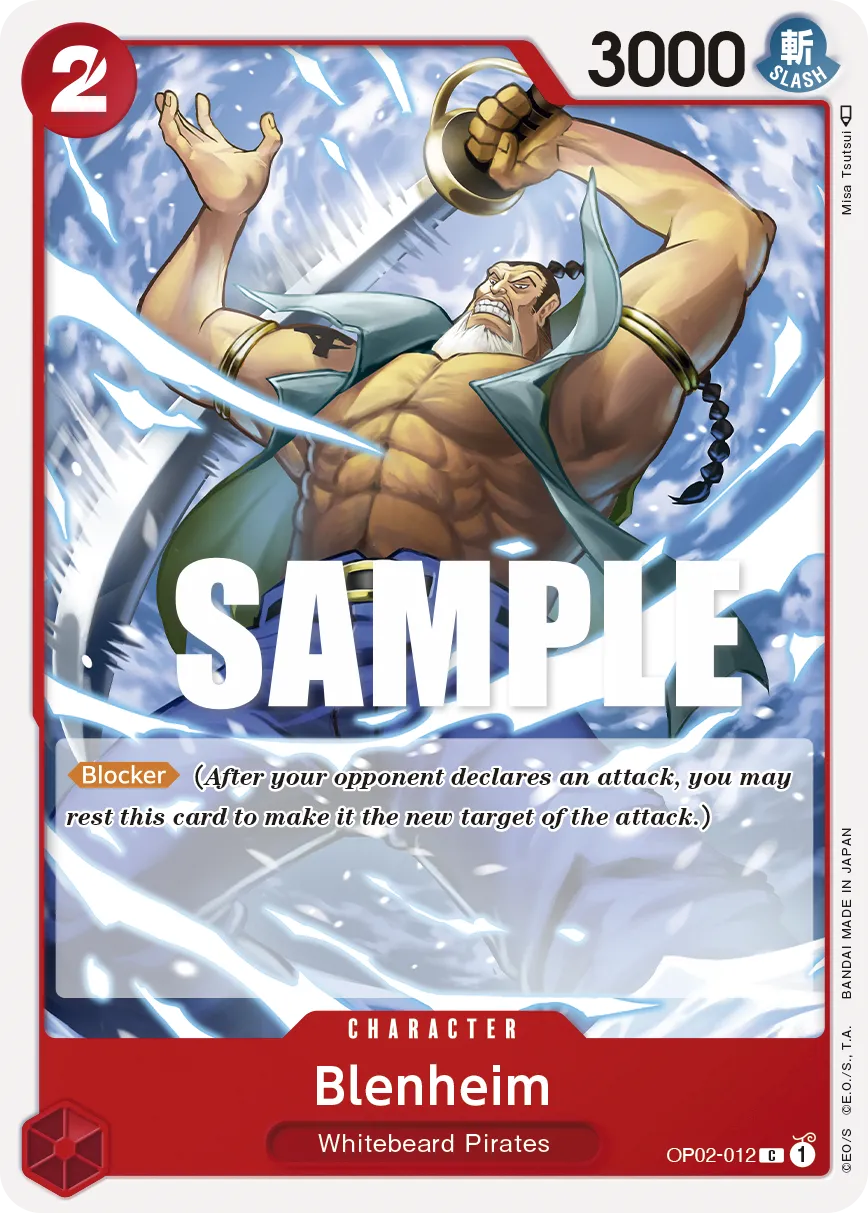
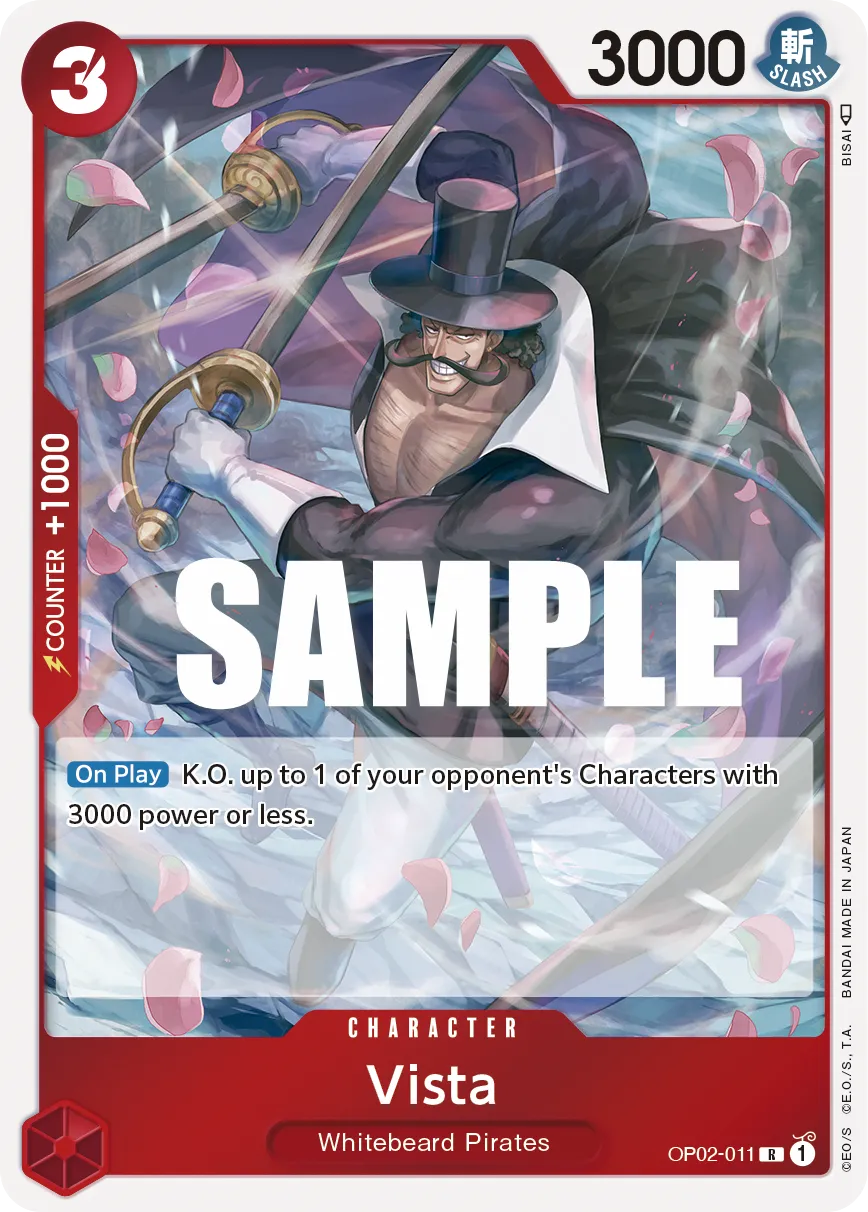
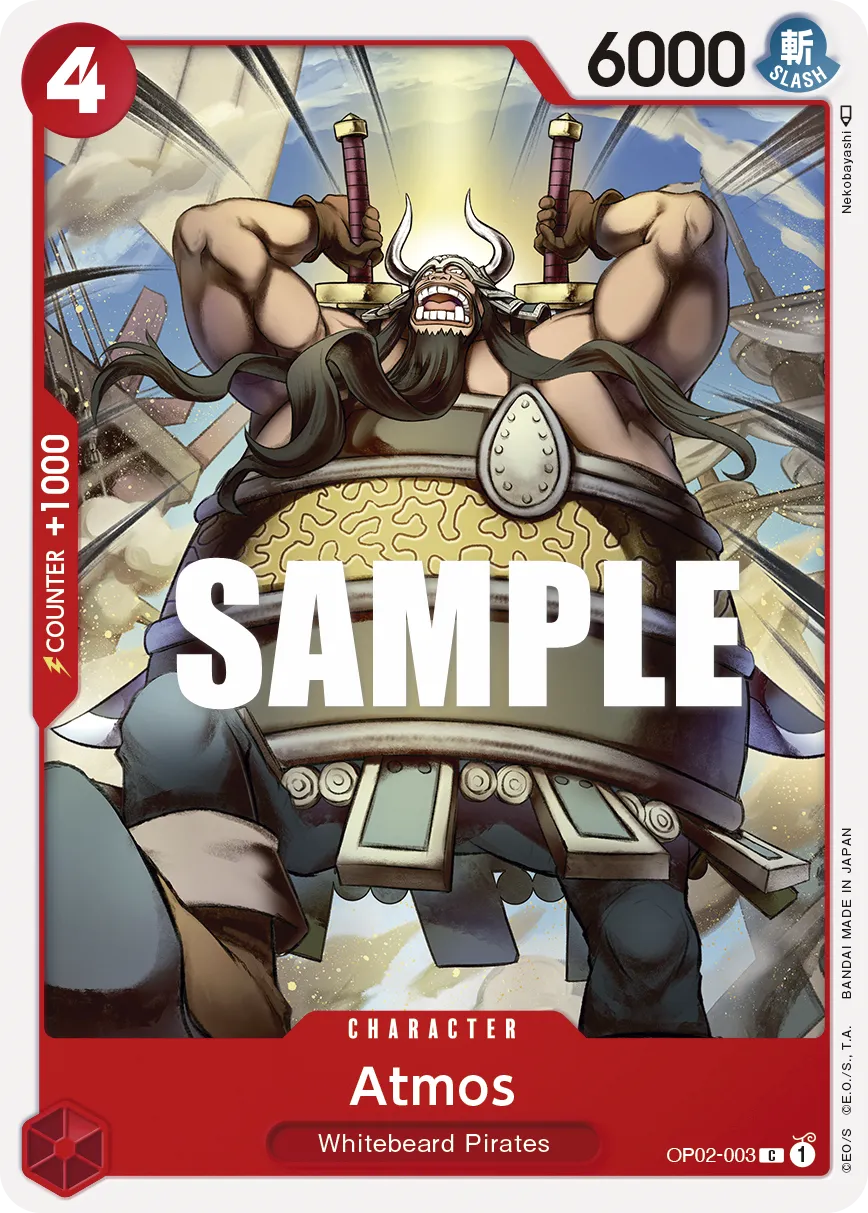
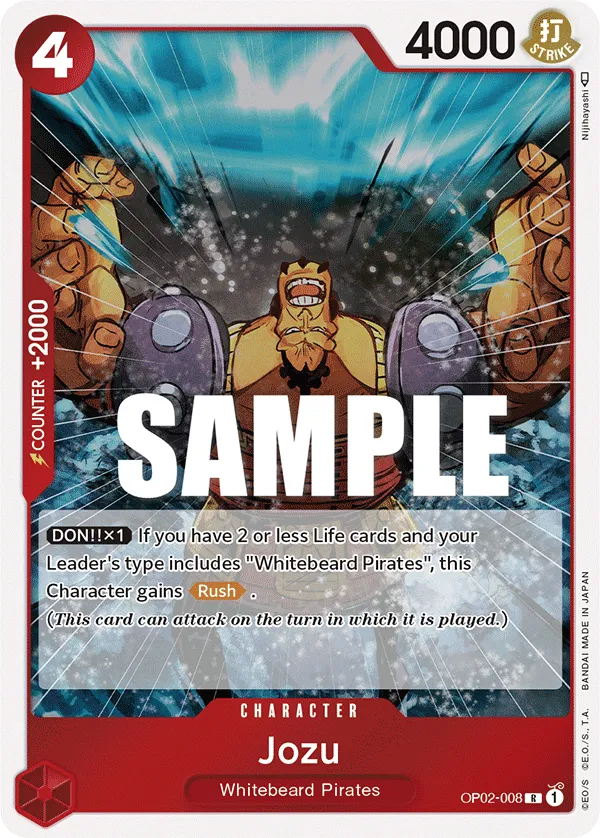
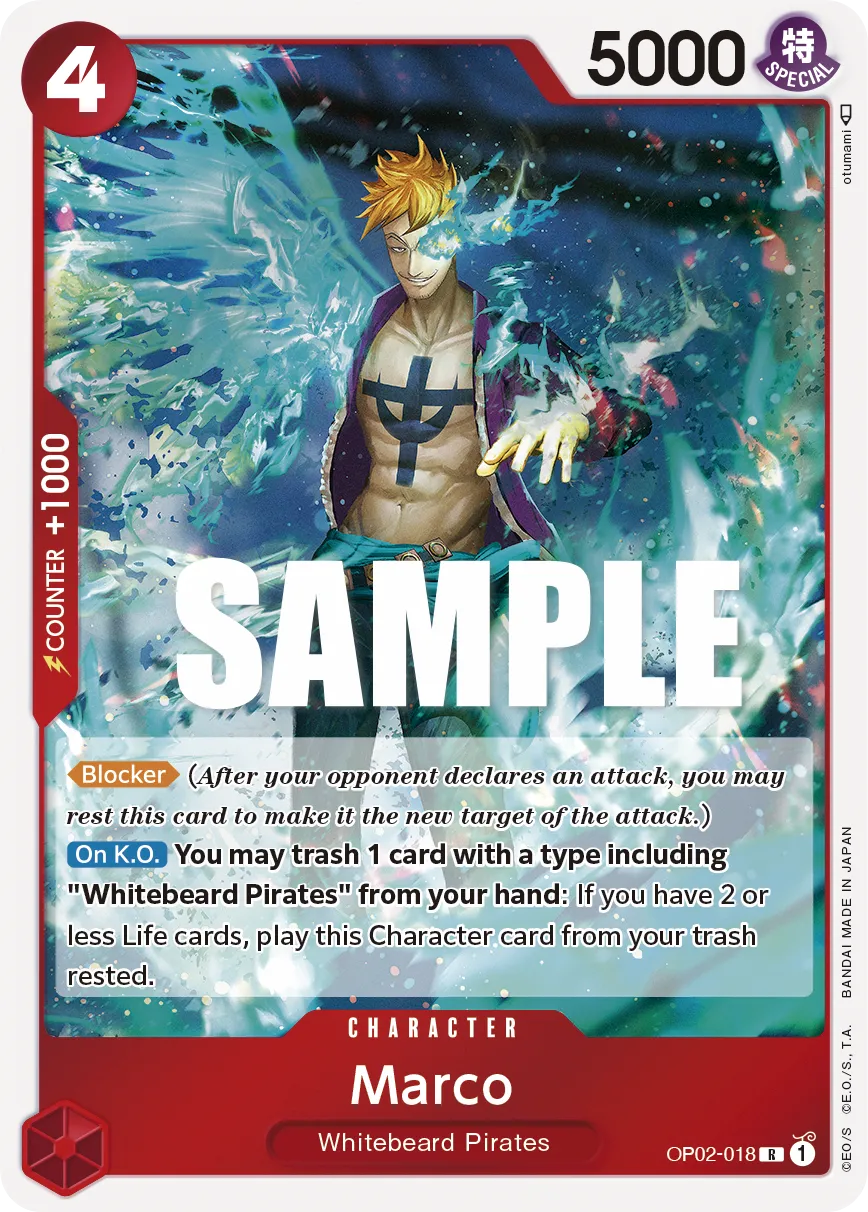
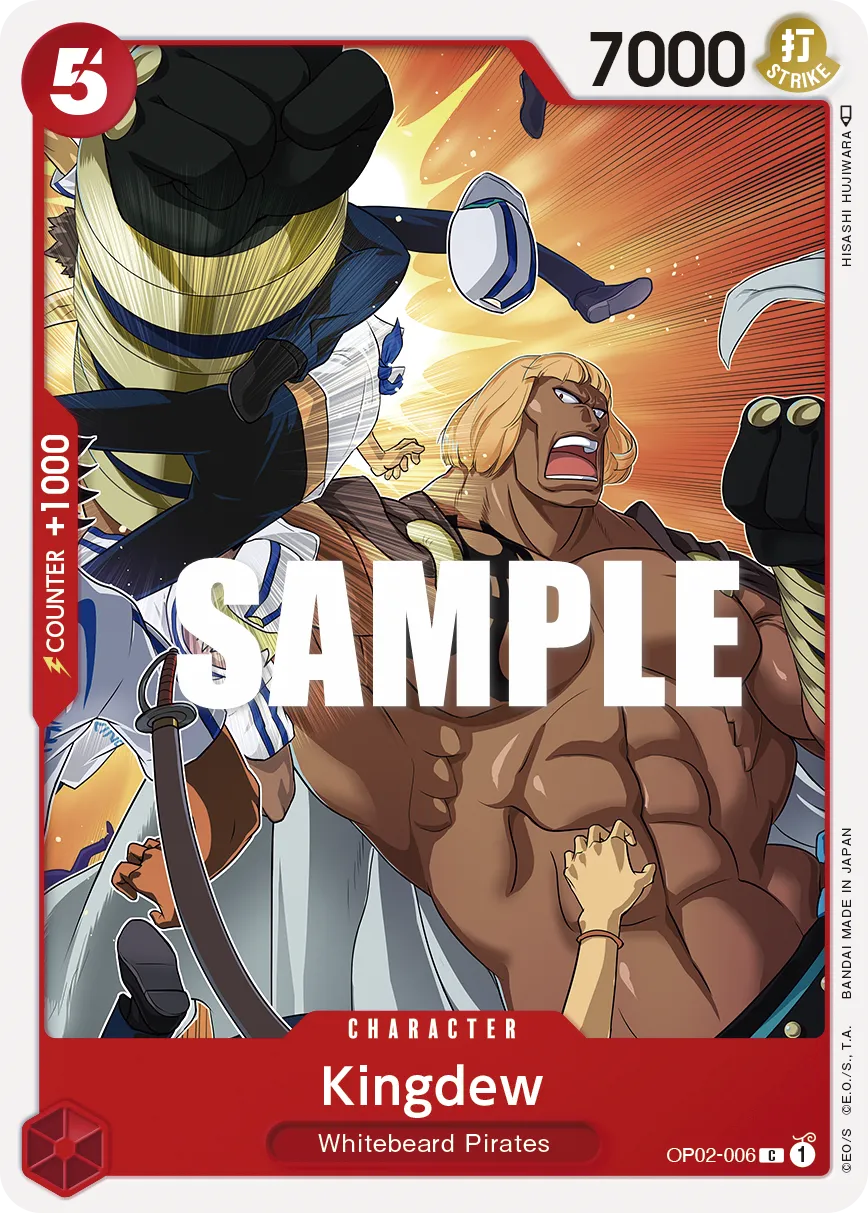
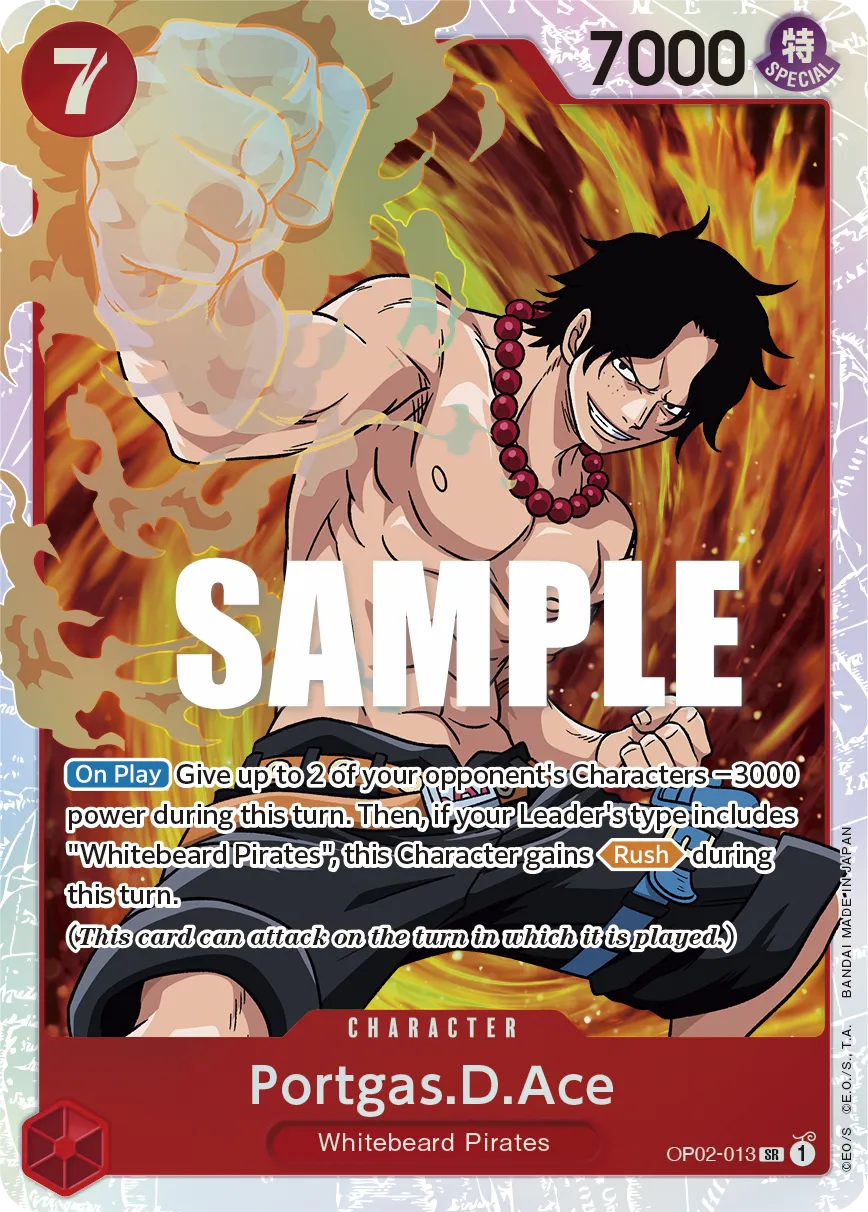


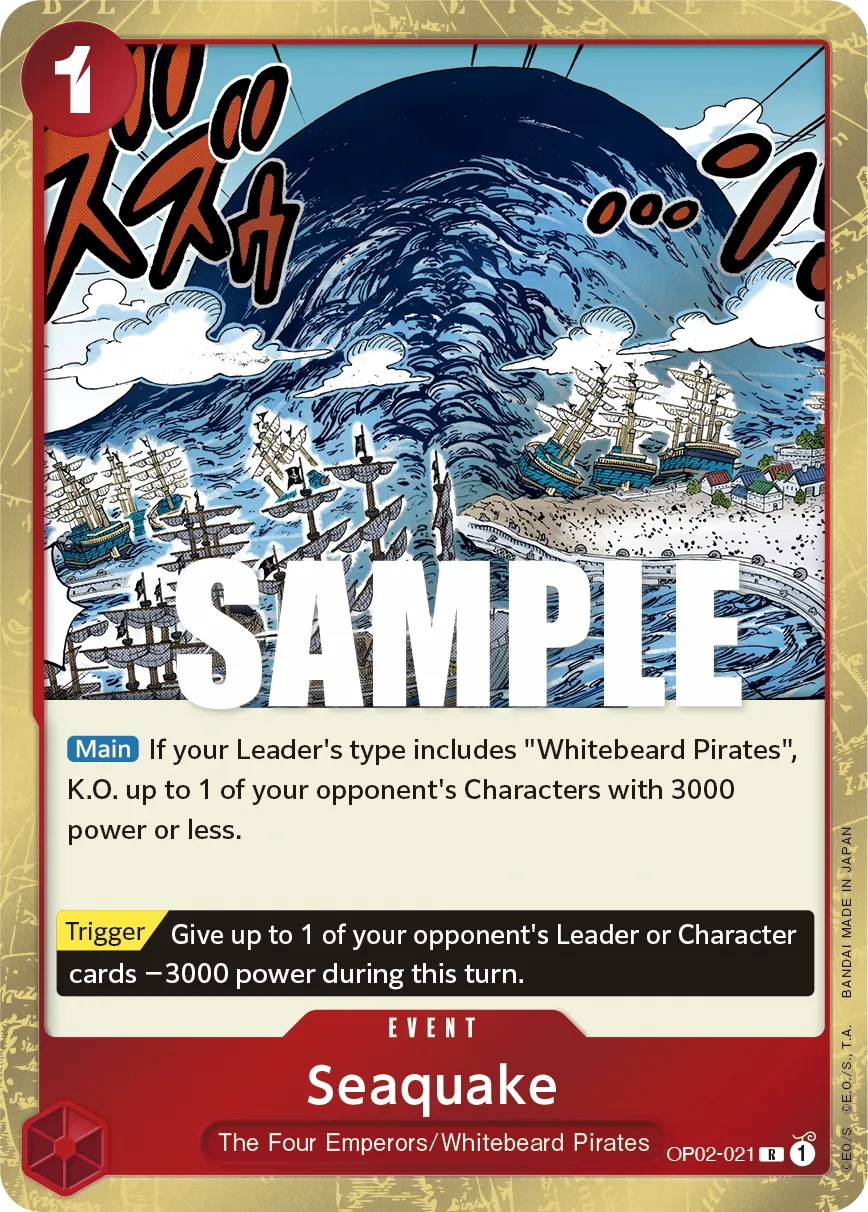
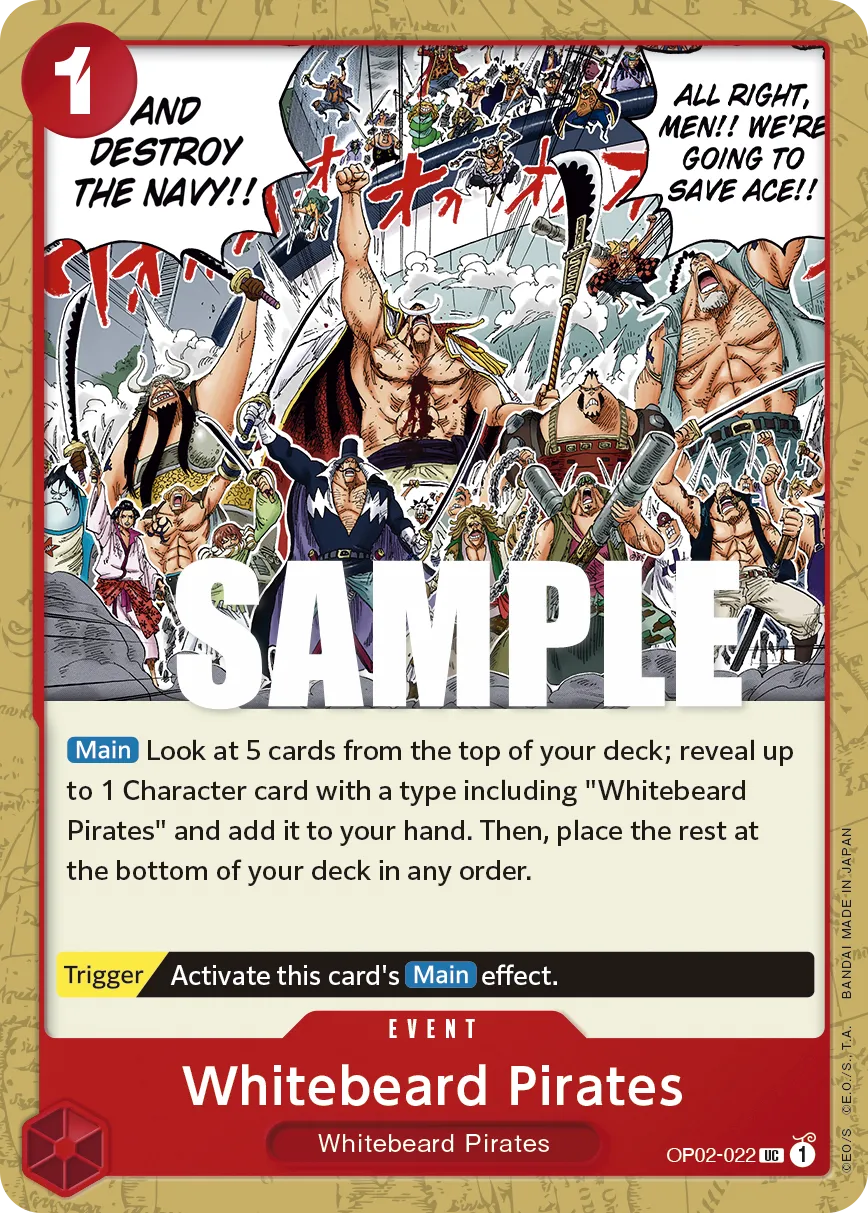

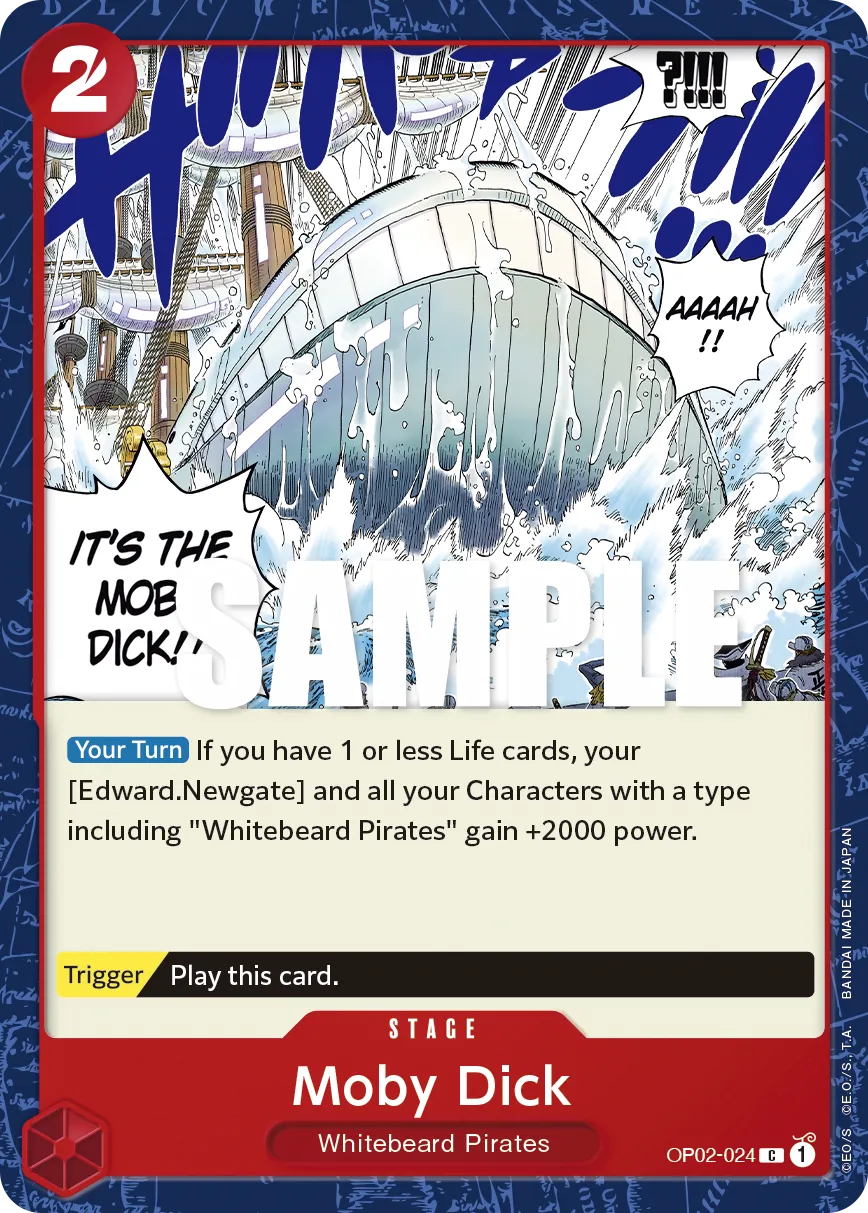
Last but not least, Red Edward Newgate, a powerful aggressive deck that aimed to drop down on Life cards to activate its Moby Dick stage. The 2-cost Event pushed Whitebeard to the top of OP02 meta, giving your Leader and all your Characters a +2,000 Power boost once you were down to just 1 Life card.
Since Newgate self-damages at the end of each of his turns, getting to 1 Life happens fast, allowing you to activate Moby Dick early and set up massive power swings that could close out the game in just a turn or two.
With the release of Izo in OP03 (can search for Moby Dick), Bandai couldn’t risk having Moby Dick and Izo in the same deck. Searching for Moby Dick consistently would’ve made Whitebeard even stronger and more reliable, so they decided to ban the Stage entirely to keep the deck in check.
Even after the ban, Newgate continued to perform well across various metas, still managing to place high in major tournaments and even taking home a few wins. Still, it’s hard not to wonder just how much more dominant Newgate could’ve been if Moby Dick had stayed in the game.
Black Yellow Monkey D.Luffy

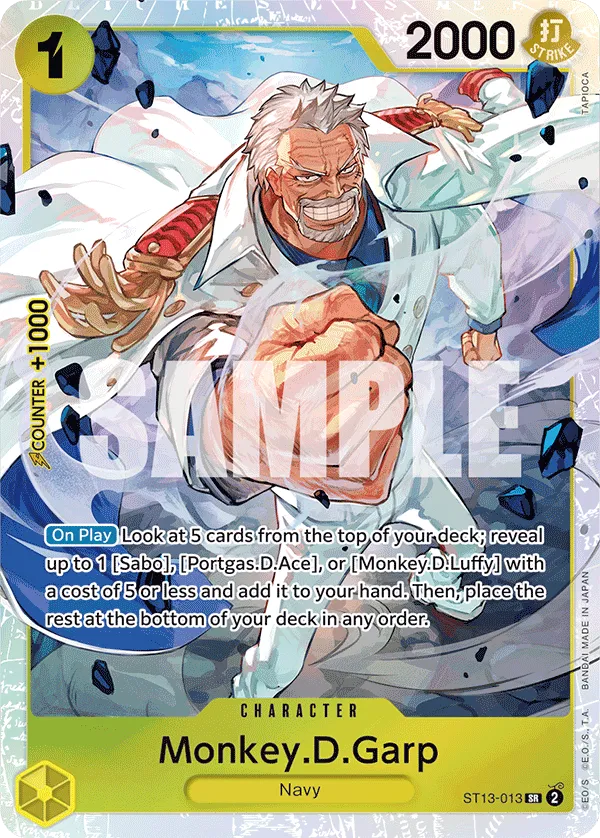

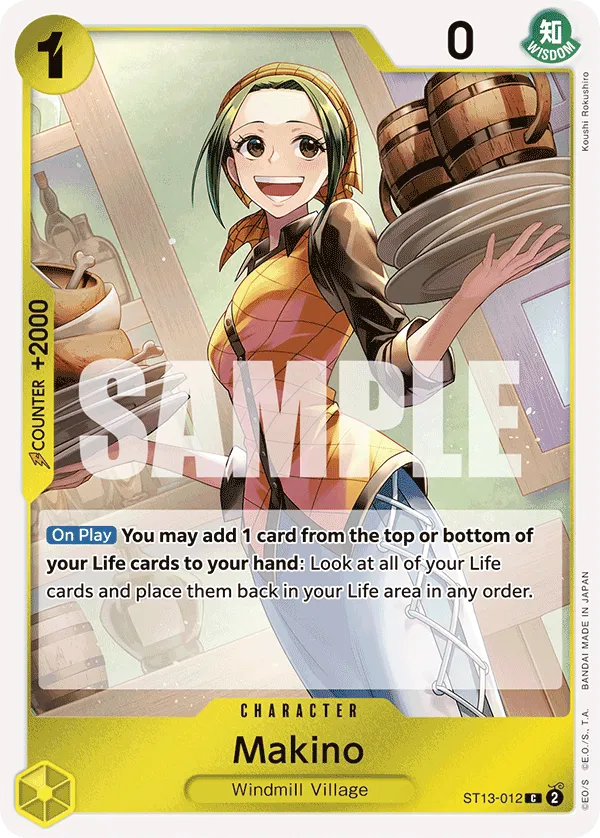


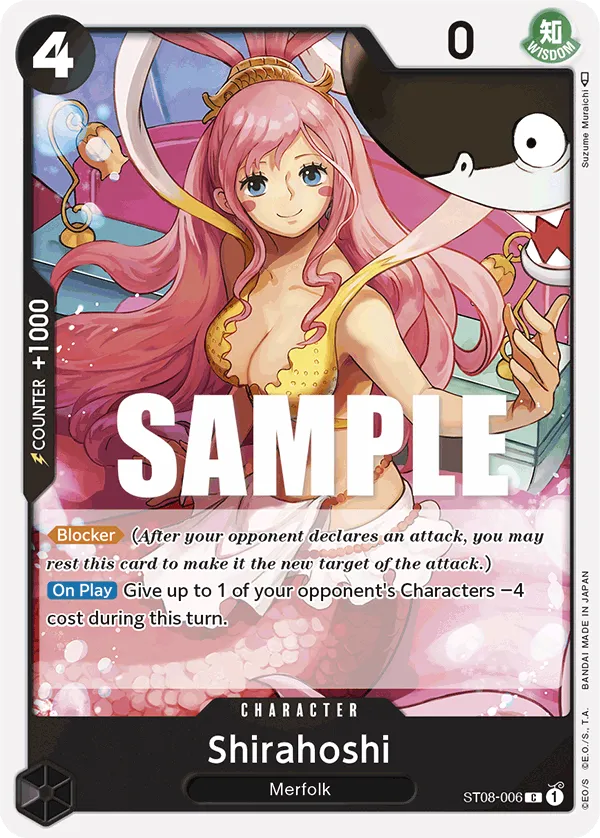




Black Yellow Monkey D. Luffy is another powerhouse deck in OPTCG, but one that’s extremely difficult to pilot correctly. In the hands of experienced players, though, it was arguably the best or one of the best decks in the OP07, OP08, and OP09 formats, capable of beating Black Rob Lucci and Blue Doflamingo, two of the strongest decks in the game.
Black Yellow Luffy received multiple hits over time, though I don’t think most of them were aimed directly at nerfing the deck. The first loss was Kingdom Come, a 6-cost answer to high-cost win conditions. Later, the deck lost access to Ice Age—and more importantly, Gecko Moria—which ultimately killed its competitive viability.
While we still see the deck pop up as an off-meta choice at local events, it’s a shell of its former self. The 8-cost Gecko Moria was the core of the BY Luffy strategy, letting you cheat out two of the kid brothers from your trash when you hit 10 DON!!, and use them alongside your Leader effect to develop three Characters in one turn, while giving your Leader a +4,000 Power boost.
The sheer value Gecko Moria brought, combined with the massive Power swing from the Leader effect, made it nearly impossible for most decks to keep up, especially with the 5-cost Sabo protecting your Leader from heavy attacks.
Closing Words
It’s always interesting to see how the meta shifts in OPTCG, and how, at times, Bandai has to force certain decks out of the format because of how broken they become. In August 2025, Bandai will release a new ban announcement, and all eyes are on whether they’ll decide to hit Blue Purple Luffy—the current top deck dominating the OP11 and OP12 metas.
Unbanning cards is also on the table for Bandai, especially if they feel those cards are no longer meta-breaking. With the loss of Gecko Moria, I honestly wouldn’t mind seeing Sakazuki make a return to the game.